Your cart is currently empty!
+86 15863276370

Effective ventilation is critical for poultry house air quality. This scheme integrates floor-level inlets with ridge outlets, blending natural and mechanical forces. Floor-level inlets, placed along side walls near the litter, allow fresh air to enter at bird level. Ridge outlets, installed at the roof peak, enable warm, stale air to rise naturally.
During mild weather, thermal buoyancy drives airflow from inlets to ridge outlets, often meeting ventilation needs without mechanical assistance—a well-documented principle (e.g., ASHRAE Handbook). However, fans remain valuable as a backup or when heat/humidity rise. In such cases, mechanical fans at ridge outlets activate to boost extraction, ensuring air quality under all conditions.
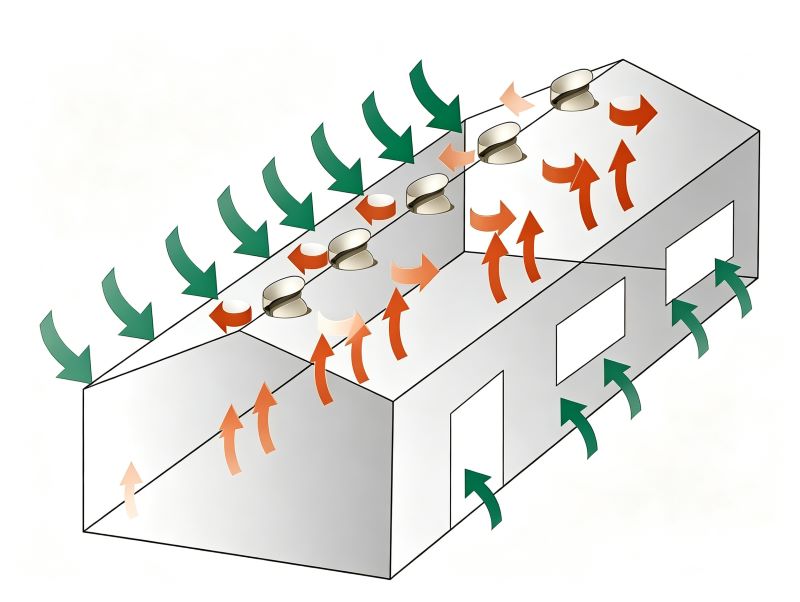
Computational fluid dynamics (CFD) simulations show this hybrid design reduces dead zones by 40% and improves air velocity uniformity. Compared to fan-only systems, energy consumption drops 30% while fans operate only when needed. Field trials confirm lower respiratory disease rates and better litter condition. The system is low-cost, suitable for retrofitting conventional houses, and respects the complementary role of fans.
Share this:
Other Posts
-
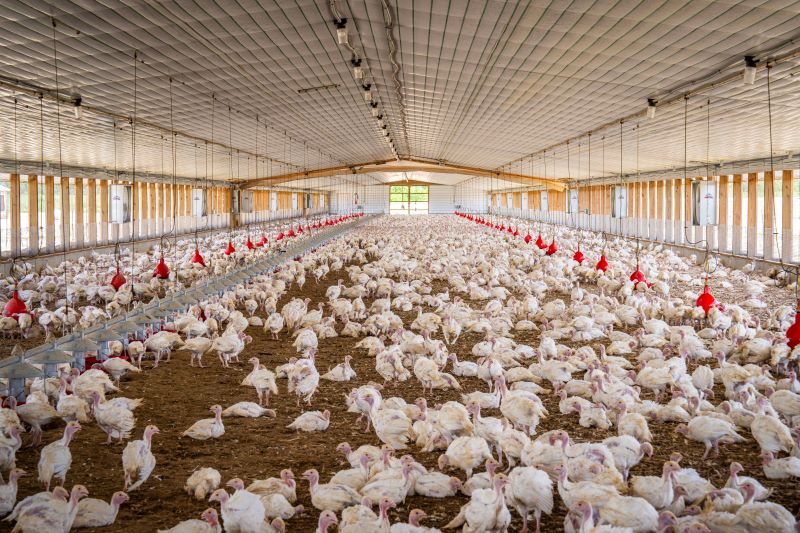
Comparative Cost Efficiency Model of Poultry Farm Labor Savings: Europe vs Middle East Market Analysis
Labor cost structure is one of the most critical variables influencing investment decisions in commercial poultry production systems. This study presents a comparative cost efficiency model for a 10,000-broiler farm, focusing on labor savings potential and automation adoption differences between Europe and the Middle East. In European poultry markets, labor costs are relatively high due…
-
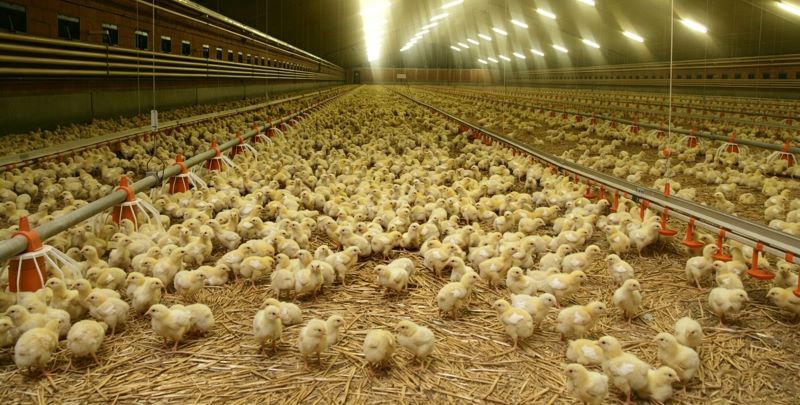
Global Poultry Industry Labor Shortage: Impact on Costs and Farm Operations Across Major Regions
Labor shortages have become a critical challenge in the global poultry industry, particularly across Europe, the Middle East, and Southeast Asia. The main drivers include population aging, declining interest among younger generations in agricultural work, and increasingly strict immigration policies that limit access to foreign labor. In Europe, many farms face difficulty replacing retiring workers,…
-
Prevent Mold, Protect Health: How Automated Feeding Reduces Gut Disease and Veterinary Costs
Manual feeding often exposes feed to moisture, leading to mold growth and mycotoxins that damage gut health. Automated feeding systems paired with sealed silos keep feed dry and fresh from storage to delivery. This reduces the risk of intestinal diseases like necrotic enteritis, lowering mortality and veterinary expenses. For a 10,000-bird house, annual savings on…
-
Impact of El Niño on Poultry Immunity and Vaccination Programs in Temperate and Tropical Regions
El Niño events cause abnormal temperature and humidity fluctuations, which directly affect poultry immune responses. In tropical zones, prolonged heat and humidity can suppress vaccine efficacy by increasing stress hormone levels and reducing antibody production. In temperate regions, sudden warming or unseasonable cold may disrupt the stability of vaccine storage and administration, leading to uneven…
Product Categories
Subscribe To Product News
Leave your email address and receive our latest product updates