Your cart is currently empty!
+86 15863276370

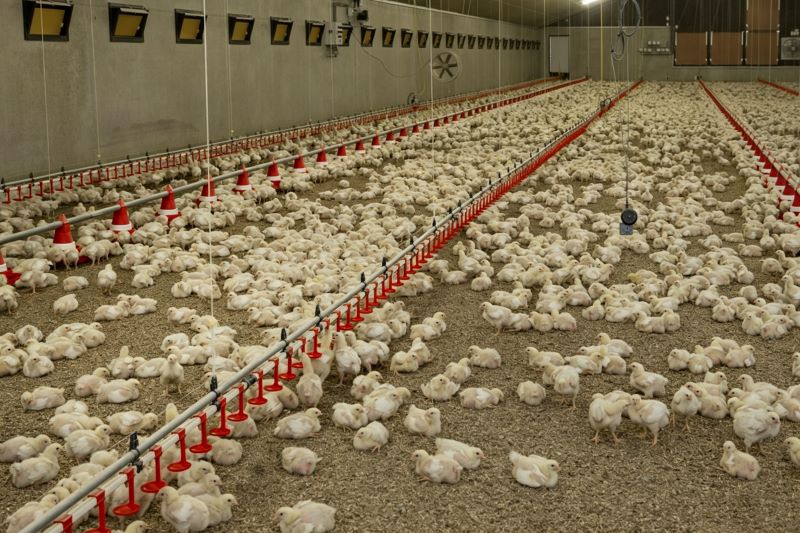
High temperatures don’t just affect bird comfort – they also impact vaccine effectiveness. Heat stress elevates corticosterone levels, which can suppress immune responses. Vaccinating during peak heat may add extra stress, reducing antibody production and increasing disease risk.
Our field study on 50,000 broilers compared two vaccination schedules: morning (8–10 AM, temperature <26°C) vs. midday (1–3 PM, >34°C). Birds vaccinated in the morning showed 22% higher antibody titers against Newcastle disease and 18% lower mortality during the following heatwave. Those vaccinated at midday had a 15% higher rate of post‑vaccination respiratory reactions.
Key recommendations for hot‑season immunization:
- Schedule vaccinations at dawn or after sunset when birds are less heat‑stressed.
- Avoid vaccinating on days with forecast temperatures above 32°C.
- Combine vaccination with electrolyte supplements (vitamin C, E) one day before and after.
- Use intranasal or drinking‑water vaccines instead of injection when possible to reduce handling stress.
Implementing these simple timing adjustments can cut vaccine failure risk by nearly one‑third, making your disease prevention program more reliable even in extreme heat.
Share this:
Other Posts
-
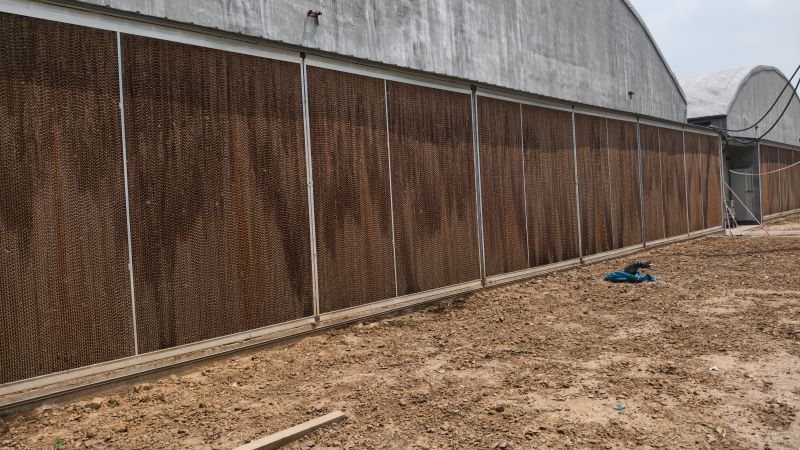
How Do Poultry House Cooling Pads and Exhaust Fans Work? Understanding Evaporative Cooling in Summer
Keeping poultry houses within a suitable temperature range during summer is an important part of environmental management. A combination of evaporative cooling pads and exhaust fans is widely used because the two systems work together to move and cool incoming air. The process begins with the exhaust fans. By removing hot air from the house,…
-
Impact of El Niño on Poultry Immunity and Vaccination Programs in Temperate and Tropical Regions
El Niño events cause abnormal temperature and humidity fluctuations, which directly affect poultry immune responses. In tropical zones, prolonged heat and humidity can suppress vaccine efficacy by increasing stress hormone levels and reducing antibody production. In temperate regions, sudden warming or unseasonable cold may disrupt the stability of vaccine storage and administration, leading to uneven…
-
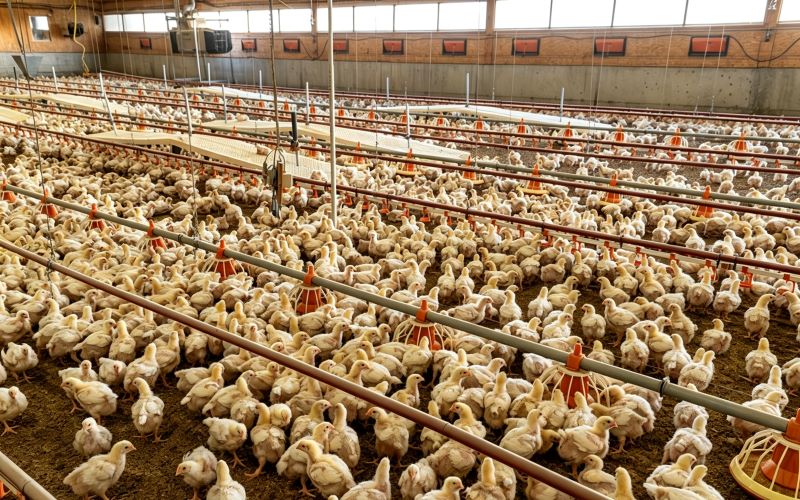
Seasonal Stocking Density Management in Poultry Farming: Dynamic Matching of Bird Density and Heat Load Under Different Temperature Conditions
Stocking density is a critical management factor affecting animal welfare, environmental control efficiency, and production performance in commercial poultry farming. During seasonal temperature changes, maintaining the appropriate bird density becomes increasingly important because heat production from flocks directly influences the internal climate of poultry houses. A seasonal stocking density adjustment model evaluates the relationship between…
-
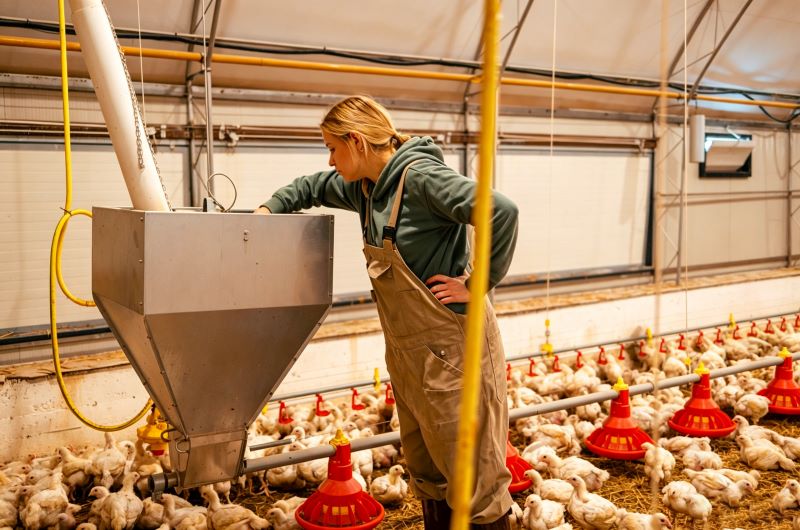
Automatic Poultry Feed Line Blocking Problems: 6 Common Causes and Troubleshooting Solutions
Automatic feeding systems are widely used in modern poultry farms to improve feeding efficiency and reduce labor dependency. However, feed line blockage can interrupt feeding operations and affect farm productivity. This article analyzes six common causes of automatic poultry feed line blockage, including feed quality issues, material accumulation, mechanical component wear, improper installation, electrical problems,…
Product Categories
Subscribe To Product News
Leave your email address and receive our latest product updates