Your cart is currently empty!
+86 15863276370

Labor cost structure is one of the most critical variables influencing investment decisions in commercial poultry production systems. This study presents a comparative cost efficiency model for a 10,000-broiler farm, focusing on labor savings potential and automation adoption differences between Europe and the Middle East.
In European poultry markets, labor costs are relatively high due to aging demographics, strict employment regulations, and limited availability of skilled agricultural workers. As a result, automation adoption is primarily driven by economic necessity. In modeled commercial operations with integrated feeding, ventilation, and environmental control systems, labor dependency may be reduced by approximately 40–60%, depending on system configuration and farm management level. This leads to significant long-term operational efficiency improvements.
In contrast, the Middle East poultry sector generally benefits from lower base labor wages but relies heavily on migrant labor. While direct wage levels are lower than in Europe, additional operational costs such as housing, visa procedures, and workforce turnover contribute to higher total employment expenditure. In a 10,000-broiler production model, automation systems typically reduce labor demand by approximately 30–50%, with efficiency gains driven primarily by improved operational stability and reduced workforce variability.
Investment feasibility is also influenced by equipment cost structure and financing accessibility. European markets often benefit from established agricultural financing systems and subsidy programs, reducing capital barriers for automation adoption. In the Middle East, higher initial capital requirements are often offset by large-scale integrated farming operations, enabling faster payback periods under optimized production cycles.
Overall, the model indicates that Europe achieves higher absolute labor cost savings, while the Middle East demonstrates stronger improvements in operational stability and risk mitigation. Both regions provide clear economic justification for adopting automated poultry farming systems.
Share this:
Other Posts
-
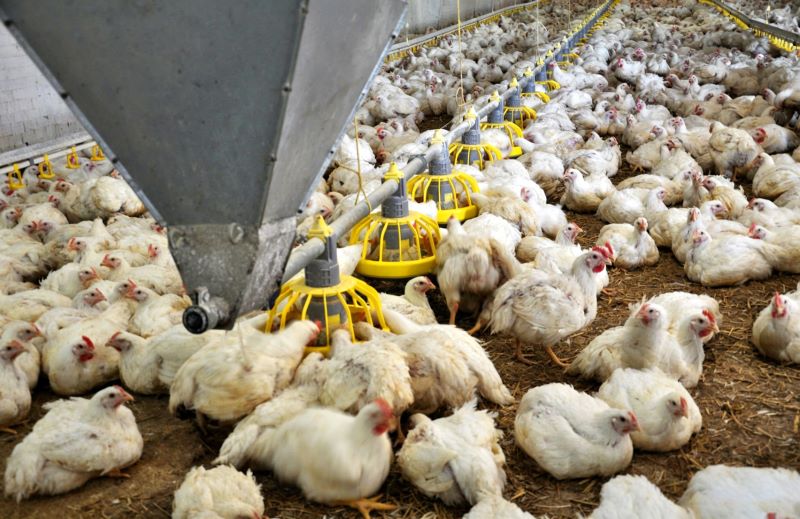
Quantifying Feed Waste in Manual Poultry Feeding: Spillage, Mold Contamination, and Feed Refusal Analysis
Feed efficiency is a critical factor in determining the profitability of commercial poultry production. In manual feeding systems, feed waste is often underestimated, yet it can significantly impact operational costs. This article provides a quantitative breakdown of three major feed loss channels: spillage, mold contamination, and feed refusal. Spillage is one of the most visible…
-
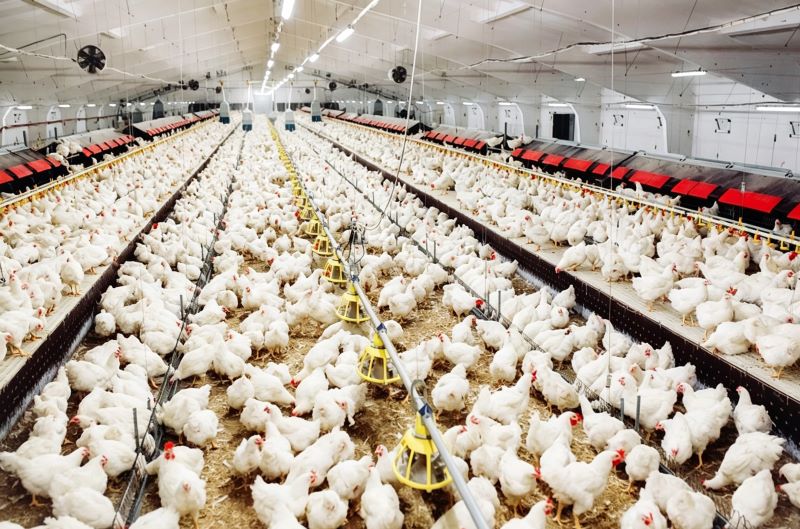
Smart Monitoring Systems in Poultry Farming: Efficiency Improvements and Operational Mechanisms
Smart monitoring systems are increasingly used in modern poultry farming to improve production efficiency, environmental stability, and overall flock performance. In commercial broiler production environments, integrated monitoring solutions have been associated with productivity improvements of approximately 20–34%, depending on farm scale, equipment configuration, and management practices. The main mechanism behind this improvement is real-time environmental…
-
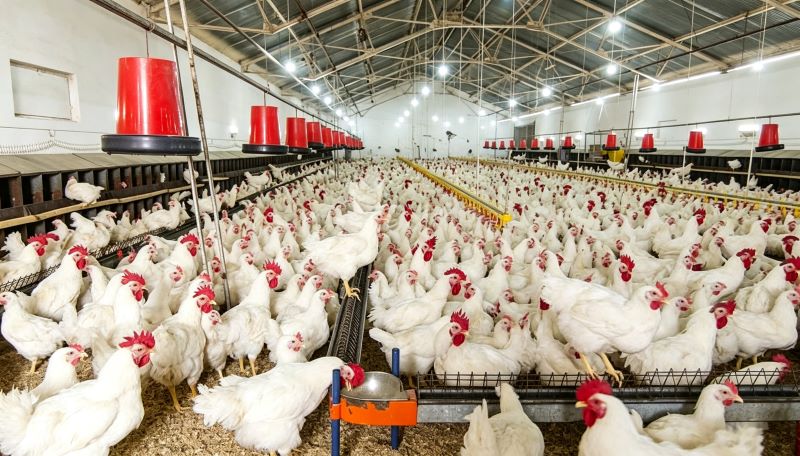
Pan vs. Chain Feeding Systems: Feed Efficiency, Waste Control, and Farm Application
This article compares pan and chain feeding systems from the perspective of feed efficiency and waste control. Both systems can support automated feeding, but their performance depends on equipment settings, farm layout, feed characteristics, and management practices. Key evaluation factors include feed spillage, distribution consistency, labor requirements, and maintenance. Selecting the appropriate system according to…
-
Annual Feed Savings Estimation for a 10,000-Bird Broiler Farm Using Precision Feeding
Precision feeding delivers exact feed amounts based on real-time bird weight and intake patterns, minimizing waste. For a 10,000-bird flock with a 40-day cycle and average feed conversion ratio (FCR) of 1.6, total feed consumption reaches roughly 16,000 kg per cycle. Manual feeding typically wastes 5–10% of feed due to spillage, spoilage, and uneven distribution.…
Product Categories
Subscribe To Product News
Leave your email address and receive our latest product updates