Your cart is currently empty!
+86 15863276370

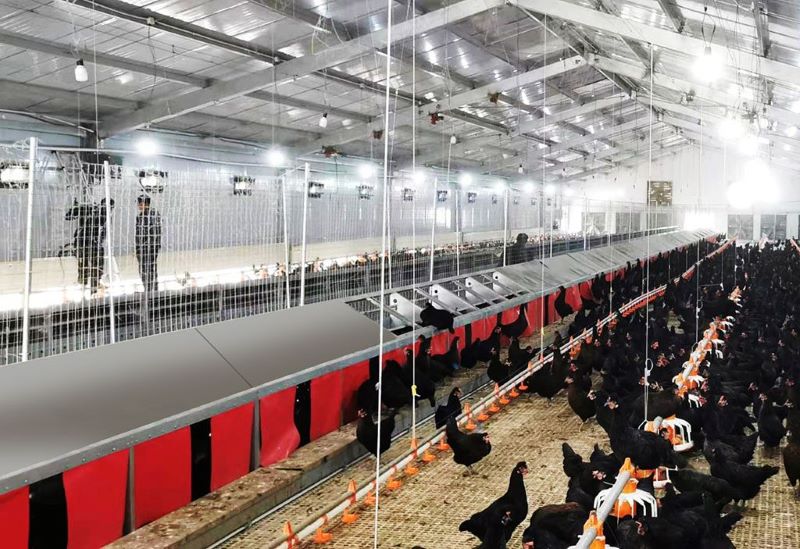
Floor egg rate is an important performance indicator in layer poultry production, directly affecting egg collection efficiency, hygiene control, and overall farm profitability. In commercial operations, reducing floor eggs from 8% to 2% requires both proper nest box selection and systematic management strategies.
Nest box design is the first critical factor. Appropriate size, entrance height, lighting balance, and internal comfort conditions significantly influence hen nesting behavior. Poorly designed systems often lead to birds laying eggs outside designated areas, increasing floor egg incidence. Multi-tier nest systems with optimized space distribution are commonly used to improve accessibility and reduce competition among hens.
Management practices are equally important. Stable lighting schedules, early training of hens to use nest boxes, and consistent egg collection routines help establish behavioral habits. In addition, maintaining clean bedding materials and controlling humidity levels inside the housing environment further encourages proper nest usage.
Stocking density also plays a key role. Overcrowding increases stress and competition, which directly raises the probability of floor laying behavior. Proper flock distribution across nest units ensures balanced usage and reduces pressure on specific zones.
Field observations in commercial poultry farms show that with optimized nest box configuration and standardized management, floor egg rates can be reduced from approximately 8% to around 2%. This improvement not only reduces egg loss but also enhances hygiene standards and labor efficiency in egg collection processes.
Overall, minimizing floor eggs requires a combination of equipment design, behavioral conditioning, and environmental control, forming a comprehensive management system for modern layer production.
Share this:
Other Posts
-
Reducing Floor Egg Rate in Poultry Farming: Nest Box Selection and Management Strategy for Performance Optimization
Floor egg rate is an important performance indicator in layer poultry production, directly affecting egg collection efficiency, hygiene control, and overall farm profitability. In commercial operations, reducing floor eggs from 8% to 2% requires both proper nest box selection and systematic management strategies. Nest box design is the first critical factor. Appropriate size, entrance height,…
-
Semi-Automatic vs. Fully Automatic Poultry Farming Systems: ROI Comparison and Investment Guide
Choosing between a semi-automatic and fully automatic poultry farming system is an important investment decision. The right solution depends not only on equipment cost, but also on farm capacity, labor availability, management requirements, and long-term operating expenses.
-
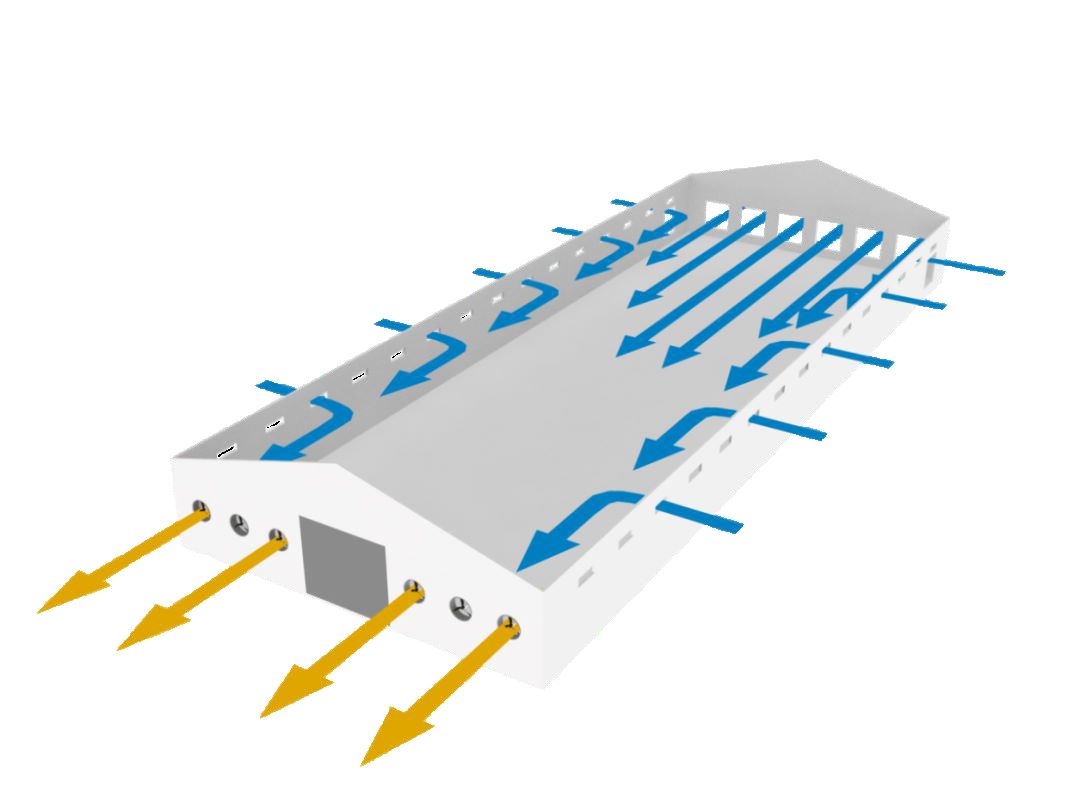
Tunnel Ventilation vs Longitudinal Ventilation in Poultry Houses: How to Select the Right Airflow System for Different Farm Designs
Ventilation system selection is one of the most important factors affecting environmental control efficiency in modern poultry houses. Different house structures, climate conditions, and production scales require different airflow strategies. Among commercial poultry ventilation solutions, tunnel ventilation and longitudinal ventilation are two widely applied systems. Tunnel ventilation works by introducing fresh air from one end…
-
Impact of El Niño on Poultry Immunity and Vaccination Programs in Temperate and Tropical Regions
El Niño events cause abnormal temperature and humidity fluctuations, which directly affect poultry immune responses. In tropical zones, prolonged heat and humidity can suppress vaccine efficacy by increasing stress hormone levels and reducing antibody production. In temperate regions, sudden warming or unseasonable cold may disrupt the stability of vaccine storage and administration, leading to uneven…
Product Categories
Subscribe To Product News
Leave your email address and receive our latest product updates