Your cart is currently empty!
+86 15863276370

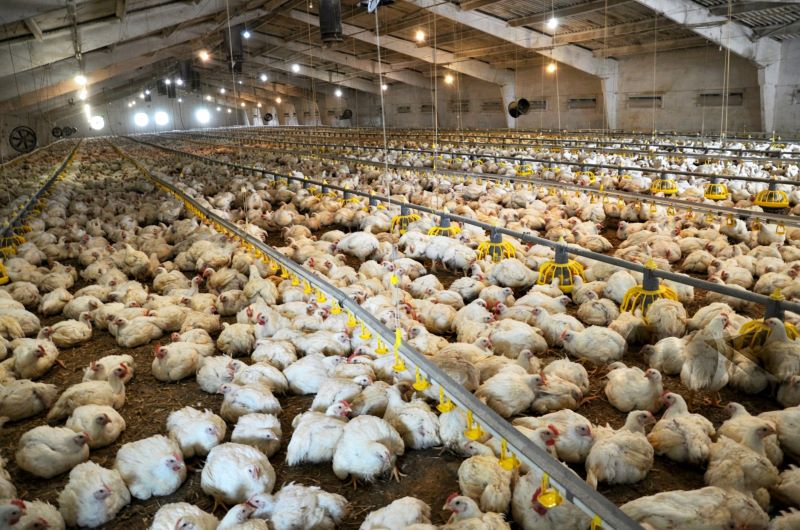
The global poultry industry is undergoing a transformation toward more efficient, automated, and welfare-oriented production systems. Between 2026 and 2030, cage-free poultry farming and floor-raised broiler production are expected to attract increasing attention as producers seek solutions that improve labor efficiency, environmental control, and farm productivity.
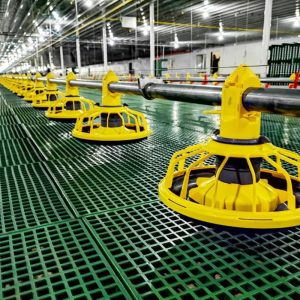
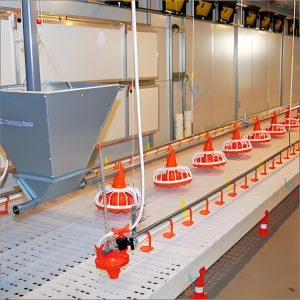
The Middle East represents a promising market for cage-free poultry equipment due to expanding food demand, investment in local poultry production, and the development of large-scale integrated farming projects. Many farms are focusing on modern feeding systems, drinking systems, ventilation equipment, and environmental management solutions to improve production stability under challenging climate conditions.
Southeast Asia also shows strong potential driven by population growth, increasing protein consumption, and the modernization of traditional poultry farms. In many regions, producers are upgrading from manual management methods to automated feeding, climate control, and farm management systems to reduce labor dependency and improve operational efficiency.
Although market conditions differ between the two regions, both share common demands: reliable equipment performance, energy-efficient designs, and solutions adapted to local climate environments. In hot and humid areas, ventilation efficiency, cooling systems, and durable materials are especially important factors influencing equipment selection.
Market development from 2026 to 2030 will likely depend on several factors, including investment capacity, government support, feed cost pressures, and the adoption level of automation technologies. Equipment suppliers that provide integrated solutions rather than individual products may have stronger opportunities in emerging poultry markets.
Overall, the Middle East and Southeast Asia represent important strategic regions for cage-free poultry equipment development. Understanding local production challenges and providing customized farm solutions will be essential for companies participating in the future global poultry equipment market.
Share this:
Other Posts
-
Empirical Analysis of 5–10% Feed Savings in a 10,000-Broiler Farm
Feed cost accounts for the largest proportion of expenses in broiler farming, making efficiency improvements highly valuable. This study presents an empirical analysis of achieving 5–10% feed savings in a 10,000-broiler farm through optimized management and automated equipment. The research focuses on the application of precision feeding systems, uniform feed distribution, and reduced feed wastage.…
-
Equipment-as-a-Service: Feasibility and Market Acceptance in Automated Poultry Farming
Equipment-as-a-Service (EaaS) is emerging as an innovative procurement model in the livestock industry, particularly in automated poultry farming. Instead of large upfront investments, farmers can access advanced equipment such as feeding systems, ventilation units, and water supply systems through subscription-based or pay-per-use models. This approach significantly reduces financial pressure and allows small and medium-sized farms…
-
Poultry Feed Auger Diameter: 45mm vs 60mm vs 75mm – How to Choose
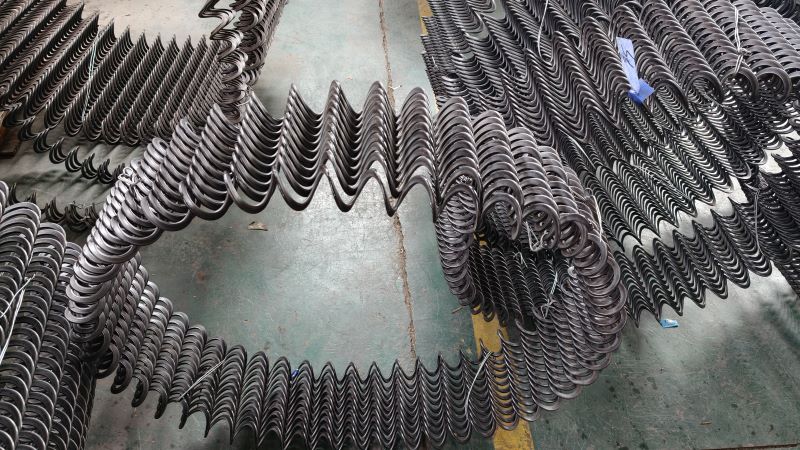
Feed augers (screw conveyors) are the core of automated feeding systems, moving feed from silos to feeder lines. The three most common diameters for poultry are 45mm, 60mm, and 75mm. Correct selection impacts delivery efficiency and system longevity. 45mm Auger – Small Farms or Main Feed LineDelivers 250–500 kg/h. Suitable for farms under 5,000 birds,…
-
Regional Customization Strategies: How Floor Rearing Equipment Suppliers Can Tailor Products and Pricing for High‑Growth Markets
High‑growth markets differ in climate, farm scale, and purchasing power, requiring suppliers to adopt regional customization. In Southeast Asia, hot and humid conditions demand corrosion‑resistant components and high‑dust‑tolerant ventilation. Basic semi‑automated feeders at competitive price points suit smallholder budgets.In the Middle East, extreme heat requires oversized tunnel fans and evaporative cooling pads. Customers prefer full…
Product Categories
Subscribe To Product News
Leave your email address and receive our latest product updates