Your cart is currently empty!
+86 15863276370

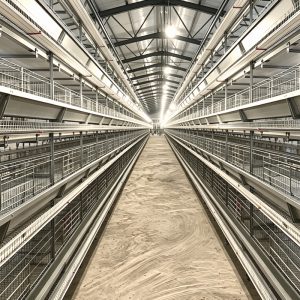
Ammonia in poultry houses is mainly associated with the decomposition of nitrogen-containing compounds in manure. When manure remains under cages for extended periods, microbial activity can convert nitrogen compounds into ammonia. Higher moisture and temperature can further influence this process.
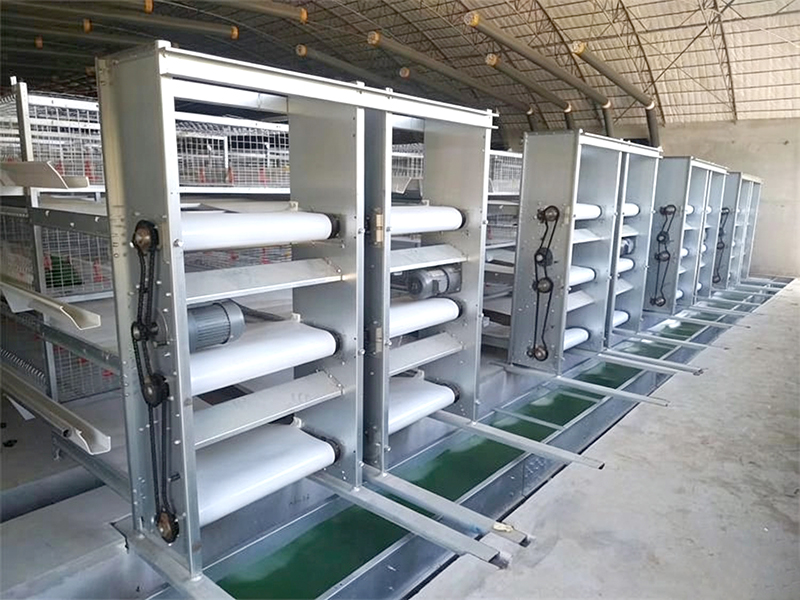
An automatic manure belt system addresses the problem at its source. Manure is collected on a belt installed beneath the cages and transported outside the poultry house at scheduled intervals. Removing manure more frequently reduces the accumulation time inside the house and can limit conditions that favor ammonia generation.
This does not mean a manure belt eliminates ammonia completely. The actual concentration depends on manure moisture, removal frequency, house temperature, ventilation rate, stocking density, and overall farm management.
The system also provides an operational advantage. Compared with relying only on manual manure removal, automatic belts can make manure handling more regular and reduce the amount of waste remaining beneath the cages. This can support cleaner house conditions and make environmental management more consistent.
To evaluate the system’s value, farms can monitor ammonia concentration together with manure moisture, removal frequency, ventilation performance, and labor requirements. Comparing these indicators before and after installation provides a more reliable basis for evaluating performance.
Therefore, the main value of an automatic manure belt is not simply “reducing ammonia.” It is the ability to remove manure efficiently, shorten its residence time inside the poultry house, and support a more controllable farm environment.
Share this:
Other Posts
-
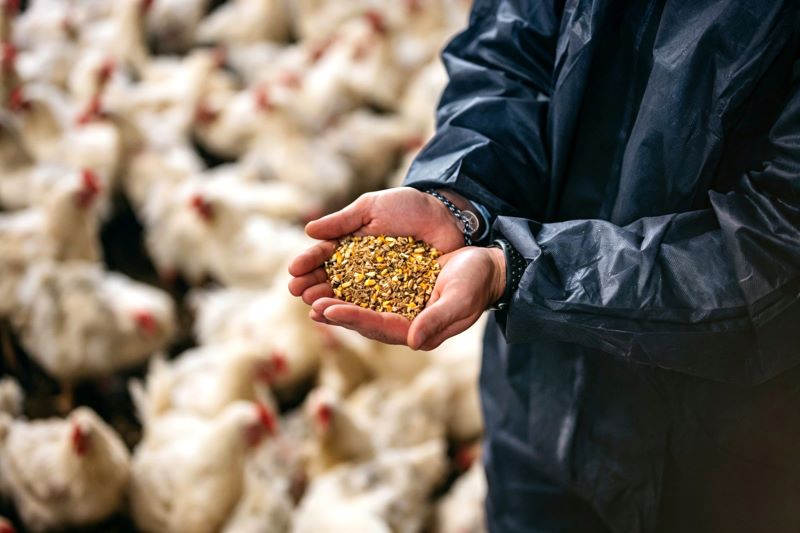
Input-Output Model of Automated Feeding Systems for Reducing Feed Cost
Feed constitutes 60–70% of total broiler production costs. Automated feeding systems reduce feed waste through precise portion control, creating a measurable input‑output economic model. Input (Investment) Output (Annual Savings from Feed Alone) Extended Output (Additional Savings) ROI CalculationPayback period (feed savings only) = $13,500 ÷ $2,600 = 5.2 yearsPayback (total savings) = $13,500 ÷ $14,000…
-
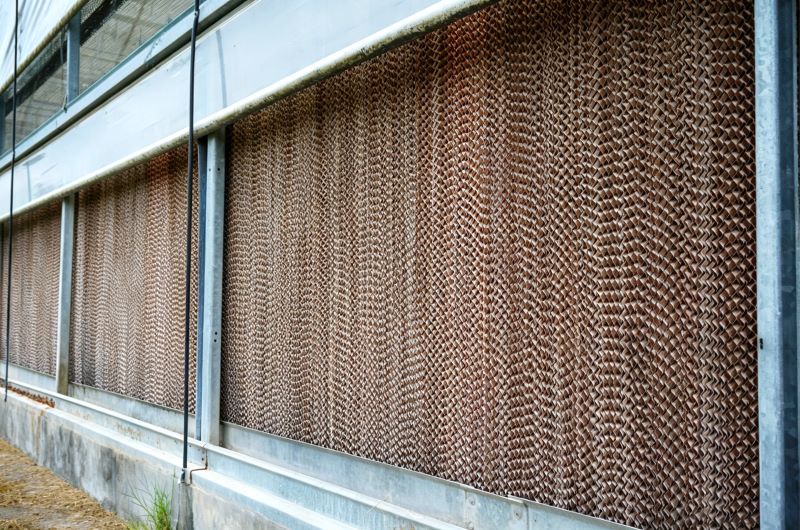
Why Poultry House Cooling Pads Underperform in Summer: Common Causes and Optimization Strategies for Better Heat Stress Control
Evaporative cooling pads are an important component of modern poultry house climate control systems, especially during high-temperature seasons. However, cooling performance may decline due to factors such as insufficient airflow, improper ventilation design, poor maintenance, water quality issues, and unsuitable house structures. This article analyzes the main causes affecting cooling pad efficiency and provides practical…
-
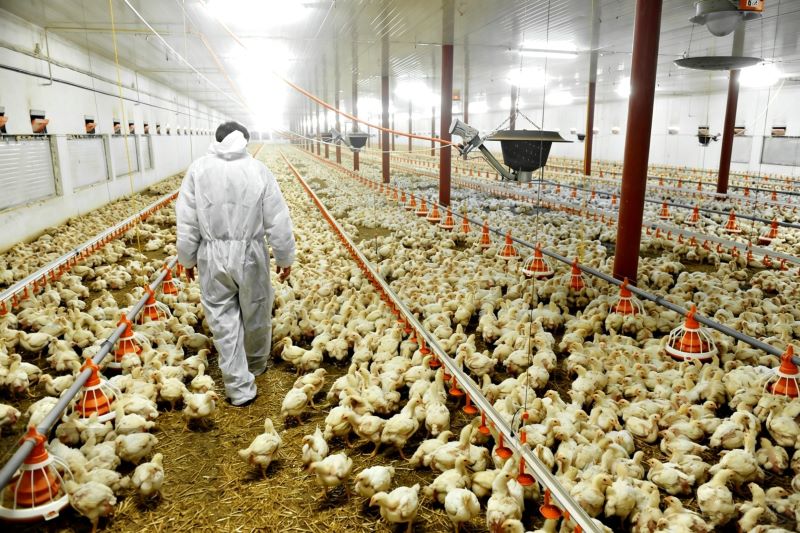
Why Automated Floor Rearing Systems Are Transforming Broiler Farming
Automated floor rearing systems help broiler farms cut labor costs by up to 70%, reduce feed waste by 5–10%, improve bird health through natural movement, and enable all‑in/all‑out sanitation for better disease control. With a strong ROI of 12–24 months, they also help farms meet animal welfare standards. As the industry moves toward cage‑free and…
-
Optimizing Maintenance and Spare Parts Inventory: Preventive Strategies to Reduce Environmental Control System Failures
Environmental control systems are critical for poultry house performance. Unplanned fan or sensor failures during heat waves can cause catastrophic losses. A preventive maintenance strategy significantly reduces this risk. Key elements include: scheduled inspections of fans, motors, and belts every 500 operating hours; calibration checks for temperature and humidity sensors monthly; and cleaning of cooling…
Product Categories
Subscribe To Product News
Leave your email address and receive our latest product updates