Your cart is currently empty!
+86 15863276370

Broiler production is an important part of the global poultry industry, but equipment requirements are not identical across markets. Asia-Pacific, North America, and Europe have different production structures and operating conditions, which influence automation and equipment selection.
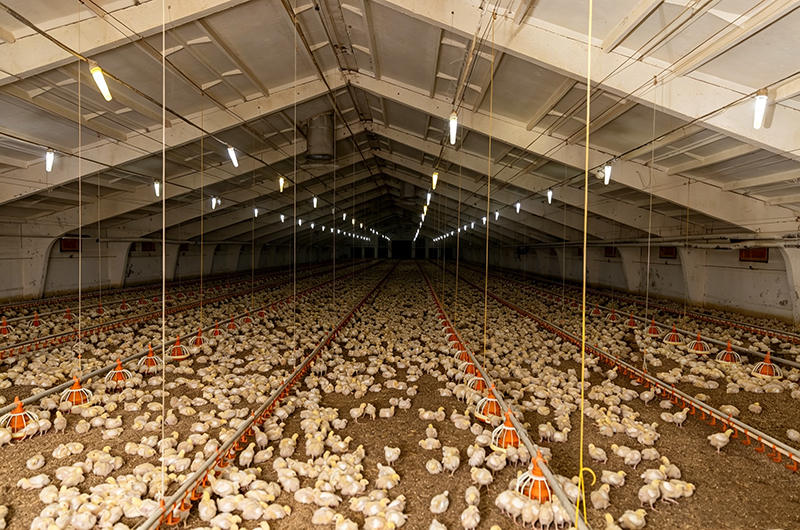
In Asia-Pacific, commercial poultry production ranges from growing medium-sized farms to highly automated large-scale operations. Automatic feeding, drinking, ventilation, cooling, and environmental control systems are commonly considered when farms seek to improve management efficiency.
In North America, large-scale production and integrated poultry operations place strong emphasis on reliable equipment, environmental control, ventilation performance, and consistent flock management. Equipment selection is often closely connected with house design and production capacity.
In Europe, farm operators may place greater emphasis on resource efficiency, manure management, animal-management requirements, and energy performance. Equipment therefore needs to work together with ventilation, feeding, lighting, and environmental systems.
Regional market share figures should always be interpreted carefully because different research reports may use different definitions, product categories, geographic boundaries, and reporting years. Instead of relying on a single percentage, poultry businesses should evaluate local climate, labor availability, farm capacity, regulations, energy costs, and production objectives when planning equipment investments.
For equipment manufacturers and poultry producers, regional analysis is most useful when it connects market trends with practical farm requirements.
Share this:
Other Posts
-
Linking Payback Period to Feed Savings: A Model for Automated Feeding Systems
The payback period of automated feeding systems directly correlates with feed savings achieved. A simple model expresses payback (months) = equipment cost / (annual feed saving × feed price). For a 10,000-bird house, automated feeders typically cut waste by 5–10%, saving 6–12 tons of feed yearly. At $450/ton, that equals $2,700–$5,400 annual saving. With equipment…
-
Deconstructing the Payback Period of Automated Feeding Systems: A Quantitative Analysis of Feed Savings Contribution
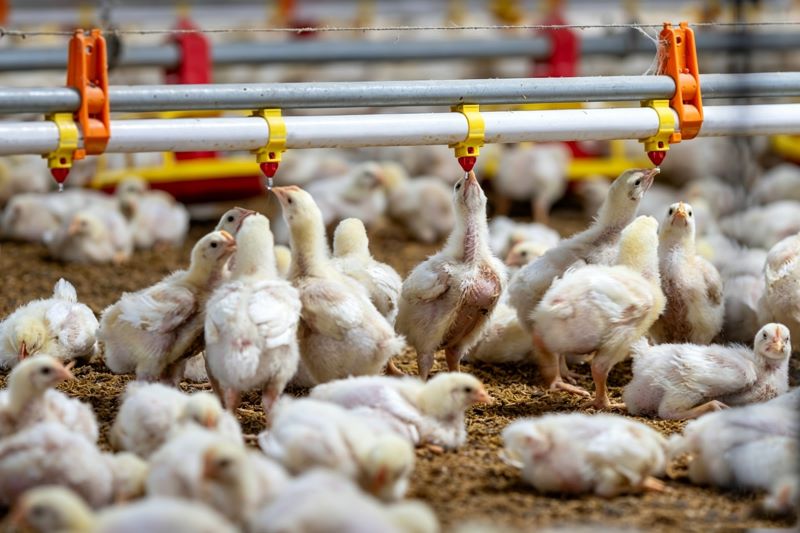
Automated feeding systems significantly shorten payback periods by reducing feed waste. This study quantifies how much feed savings contribute to overall return on investment in a 10,000‑bird broiler house. A typical automated feeding system costs $12,000–$15,000 installed. Annual savings come from three sources: labor (70% reduction, saving ~$10,000), feed waste reduction (5–10% saving, ~$2,700–$5,400), and…
-
How to Choose Your Poultry System
How to Choose the Right Poultry Farming System and Equipment Selecting the right farming method and equipment starts with evaluating your farm scale, climate conditions, and target market. Floor rearing is suitable for welfare-focused farms, offering lower initial investment, easier all-in/all-out sanitation management, and relatively simple litter handling. Cage systems maximize stocking density but face…
-
Quantifying Feed Waste in Manual Poultry Feeding: Spillage, Mold Contamination, and Feed Refusal Analysis
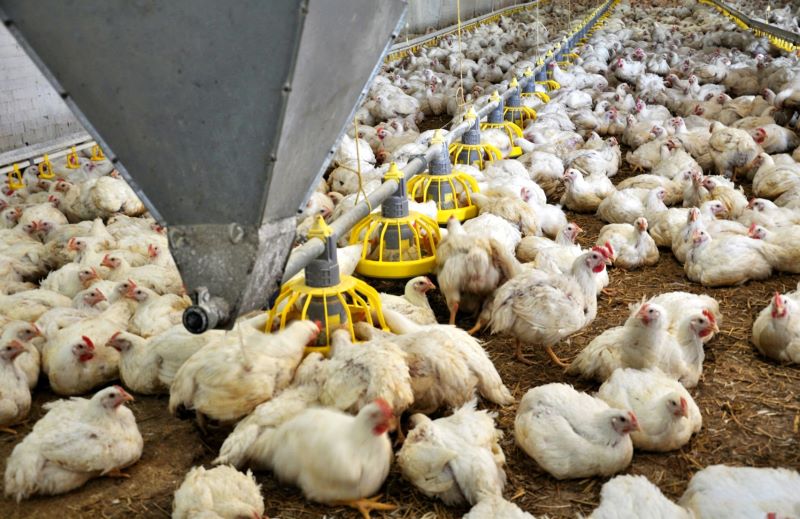
Feed efficiency is a critical factor in determining the profitability of commercial poultry production. In manual feeding systems, feed waste is often underestimated, yet it can significantly impact operational costs. This article provides a quantitative breakdown of three major feed loss channels: spillage, mold contamination, and feed refusal. Spillage is one of the most visible…
Product Categories
Subscribe To Product News
Leave your email address and receive our latest product updates