Your cart is currently empty!
+86 15863276370

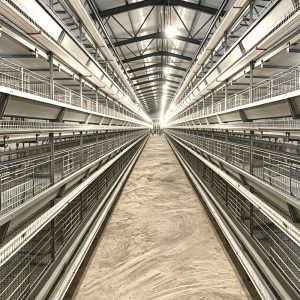
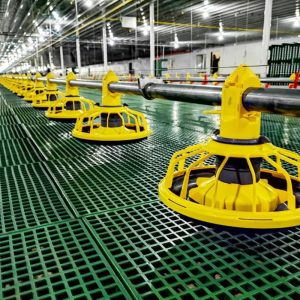
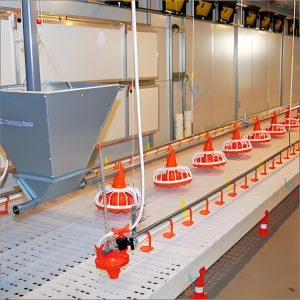
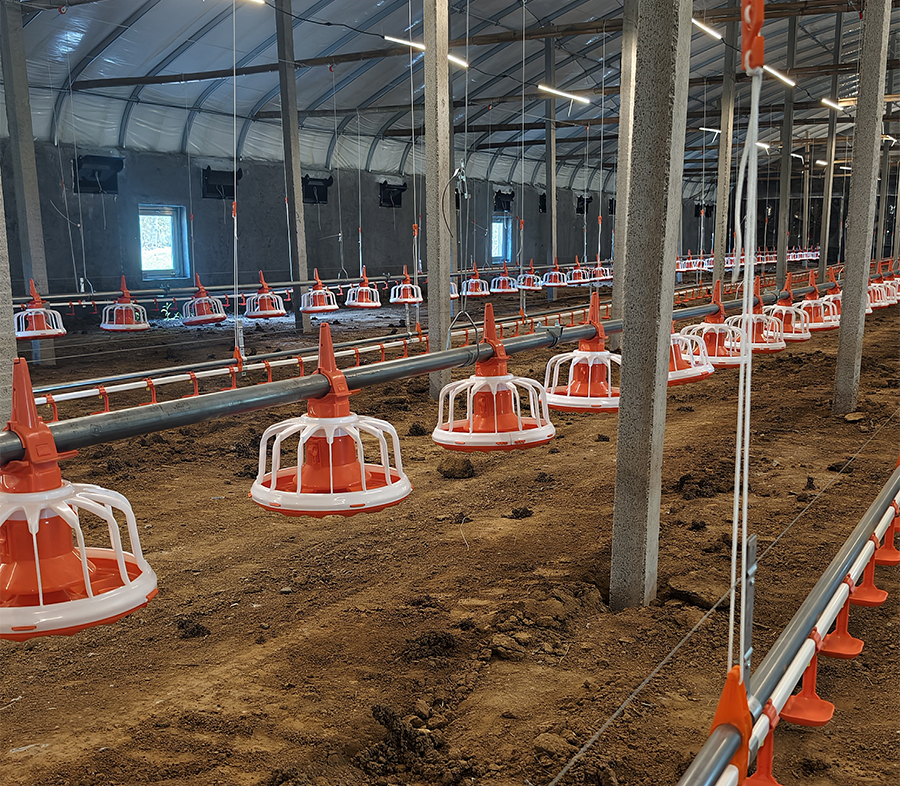
Over the next five years, three automation technologies will lead floor rearing adoption. Automated feeding systems top the list. Their clear payback (12–24 months) and direct feed savings (5–10%) make them the first standard feature globally.
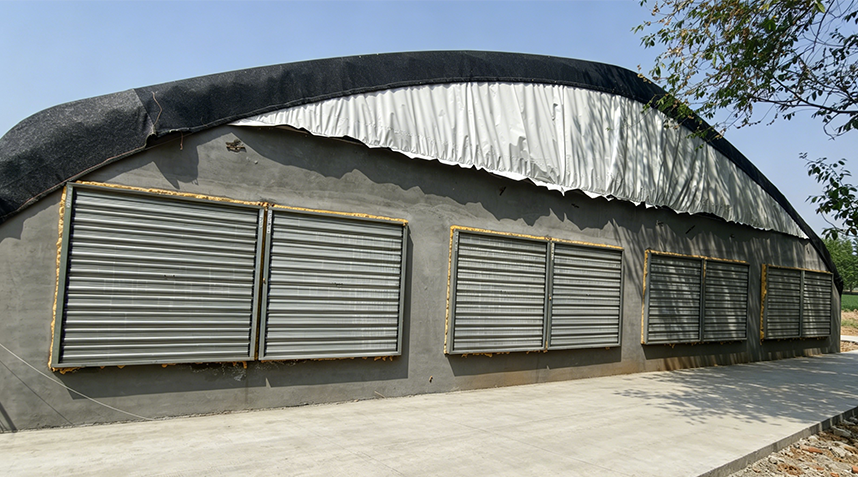
Tunnel ventilation with evaporative cooling follows closely. Rising heat waves and climate volatility push this system from optional to essential in tropical and subtropical regions.
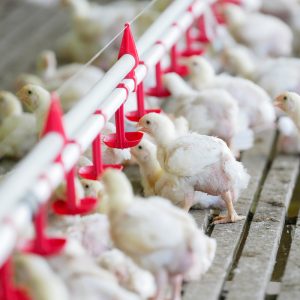
Automated drinking lines with water monitoring rank third. Clean water hygiene and real‑time flow data are becoming baseline requirements, especially under stricter biosecurity rules.
Meanwhile, automated manure removal and AI‑driven environmental control will remain optional for mid‑sized farms until costs drop further. By 2030, feeding, cooling, and smart drinking systems will be standard in modern floor rearing houses.
Share this:
Other Posts
-
Adjusting Vaccination Programs in Hot Seasons – Timing and Stress Control Strategies Backed by Field Data
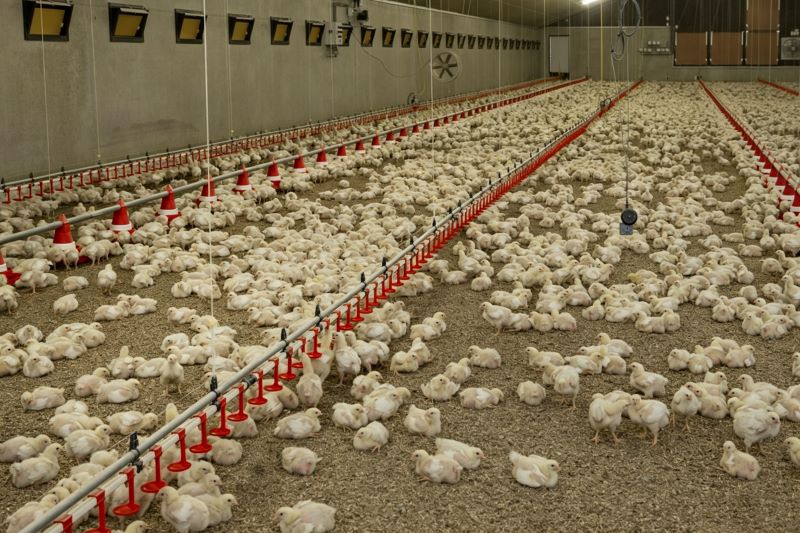
High temperatures don’t just affect bird comfort – they also impact vaccine effectiveness. Heat stress elevates corticosterone levels, which can suppress immune responses. Vaccinating during peak heat may add extra stress, reducing antibody production and increasing disease risk. Our field study on 50,000 broilers compared two vaccination schedules: morning (8–10 AM, temperature <26°C) vs. midday…
-
Semi-Automatic vs. Fully Automatic Poultry Farming Systems: ROI Comparison and Investment Guide
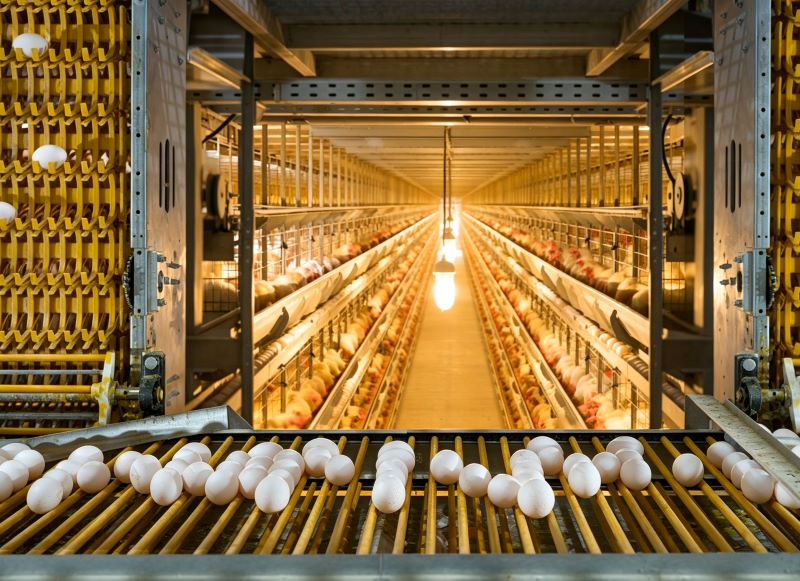
Choosing between a semi-automatic and fully automatic poultry farming system is an important investment decision. The right solution depends not only on equipment cost, but also on farm capacity, labor availability, management requirements, and long-term operating expenses.
-
The Future of Large-Scale Smart Poultry Farming
The outlook for large-scale smart poultry farming is exceptionally promising globally, driven by the need to feed a growing population sustainably. These technologically advanced farms represent a significant evolution from traditional methods, integrating automation, data analytics, and the Internet of Things (IoT). Key development advantages are substantial. Firstly, precision farming using sensors and AI monitors…
-
Broiler Drinking Water Management in Summer: Density, Temperature, and Electrolytes for Heat Stress Relief
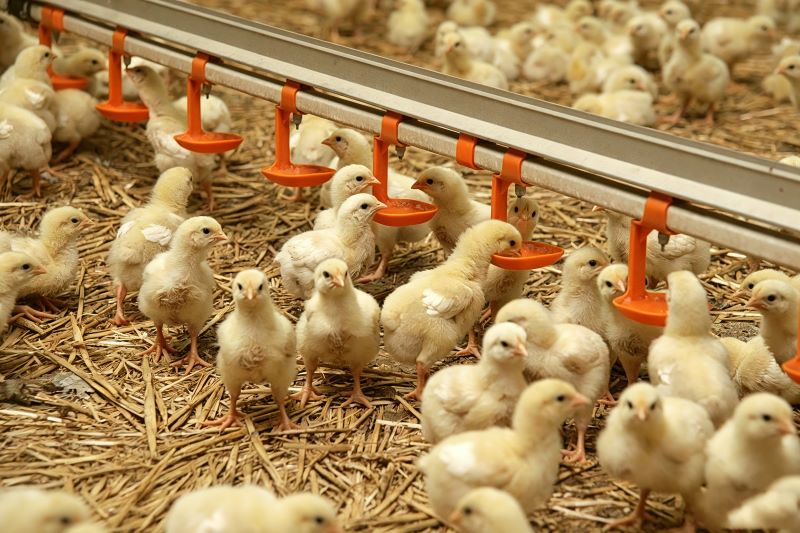
Water is the most critical nutrient for broilers during hot weather. When temperatures rise, birds can double their water intake. Yet many farms overlook three key factors: drinker density, water temperature, and electrolyte supplementation. Here’s what the data shows. Drinker Density: Enough Points Matter Inadequate drinker access is a primary bottleneck during heat stress. Industry…
Product Categories
Subscribe To Product News
Leave your email address and receive our latest product updates