Your cart is currently empty!
+86 15863276370

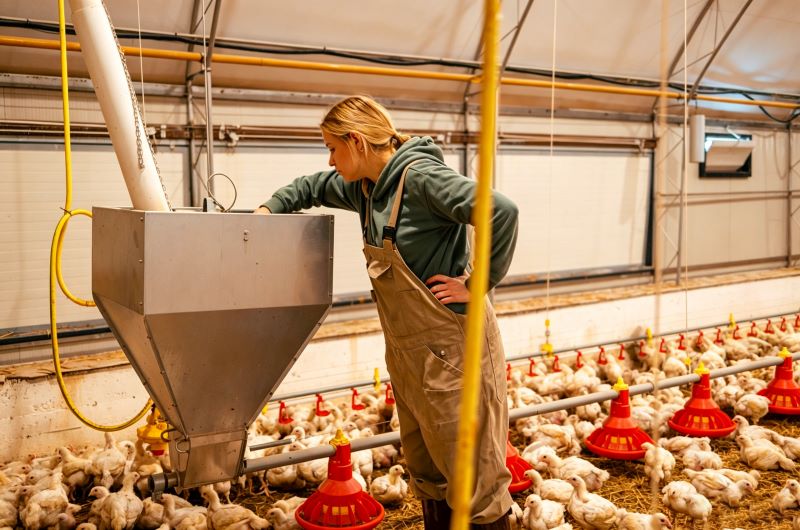
This study quantifies labor savings when replacing manual bag feeding with automated pneumatic conveying in a 10,000-bird broiler farm. Manual feeding involves lifting, carrying, tearing, and scattering 25–40 kg bags daily. Two full‑time workers spend 6–8 hours per day on these tasks, equivalent to 2,080–2,600 working hours annually per worker.
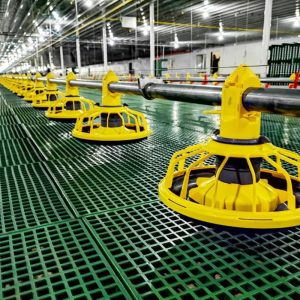
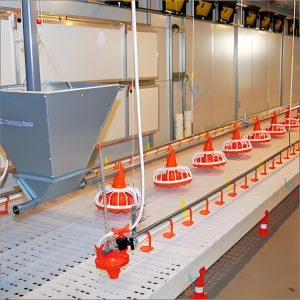
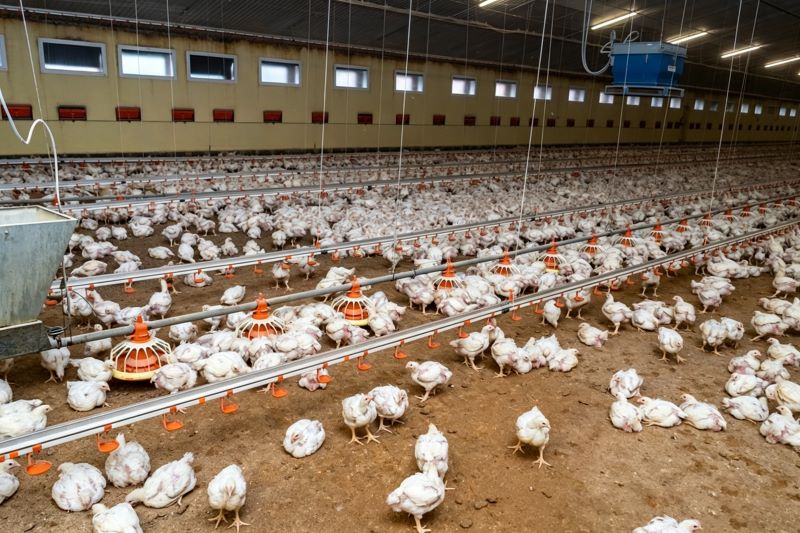
Automated feeding uses a silo, auger or chain conveyor, and pan feeders. Workers only fill the silo (via bulk truck) and monitor system operation. One part‑time worker spends less than 500 hours per year. The reduction in physical handling eliminates heavy lifting and repetitive motion, lowering injury risks and fatigue.
Time‑motion studies on three farms showed that automated systems cut feeding‑related labor by 83–91%. The empirical evidence confirms that replacing manual bag handling with pneumatic conveying reduces workforce demand from 2–3 full‑time to one part‑time worker, delivering both economic and ergonomic benefits.
Share this:
Other Posts
-
Automatic Poultry Feed Line Blocking Problems: 6 Common Causes and Troubleshooting Solutions
Automatic feeding systems are widely used in modern poultry farms to improve feeding efficiency and reduce labor dependency. However, feed line blockage can interrupt feeding operations and affect farm productivity. This article analyzes six common causes of automatic poultry feed line blockage, including feed quality issues, material accumulation, mechanical component wear, improper installation, electrical problems,…
-
Precision Feeding Mechanism Using Sensors to Monitor Pan Feed Levels
Precision feeding relies on real‑time monitoring of feed remaining in pans. Load cells or infrared sensors placed under each pan continuously measure feed weight or fill height. When the measured level drops below a preset threshold, the controller activates the auger or chain feeder to deliver a small, measured amount of feed. This closed‑loop mechanism…
-
A New Era of Human‑Machine Collaboration: Challenges and Solutions for Deploying AI Decision Systems in Floor‑Rearing Farms
Deploying AI decision systems in floor‑rearing farms promises improved efficiency but faces practical hurdles. Three major challenges emerge: data infrastructure gaps, worker acceptance, and system maintenance cost. Many farms lack reliable sensors or stable internet, leading to incomplete data. Workers, accustomed to manual observation, often distrust AI recommendations. Solutions include phased deployment starting with basic…
-
Comparison of Disease Risks in Open-Sided and Closed Poultry Houses under El Niño–Induced Precipitation Extremes
During El Niño events, heavy rainfall or prolonged drought alter housing microclimates, affecting disease risks differently in open-sided and closed poultry houses. In open-sided houses, heavy rainfall increases litter moisture and ammonia levels, promoting coccidiosis and pododermatitis. Dry conditions increase airborne dust, irritating the respiratory tract and increasing the incidence of colibacillosis. Closed houses with…
Product Categories
Subscribe To Product News
Leave your email address and receive our latest product updates