Your cart is currently empty!
+86 15863276370

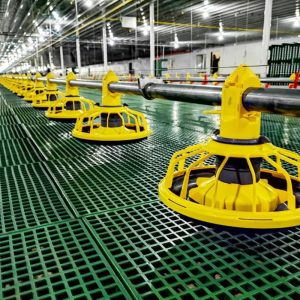
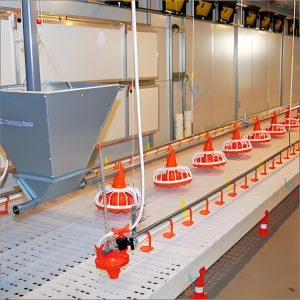
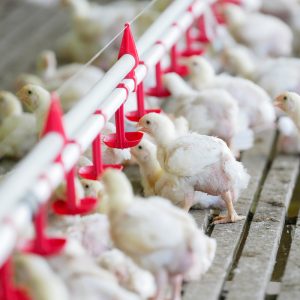
The EU will ban conventional cages for laying hens and broilers by 2027. This regulation forces farms to switch to cage‑free systems, primarily floor rearing and aviaries. Consequently, demand for floor rearing equipment—feeders, drinkers, litter management, and ventilation—has surged.
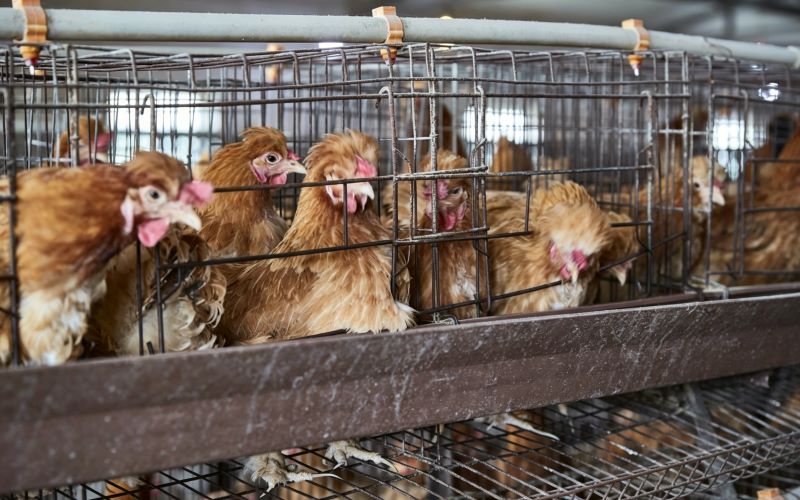
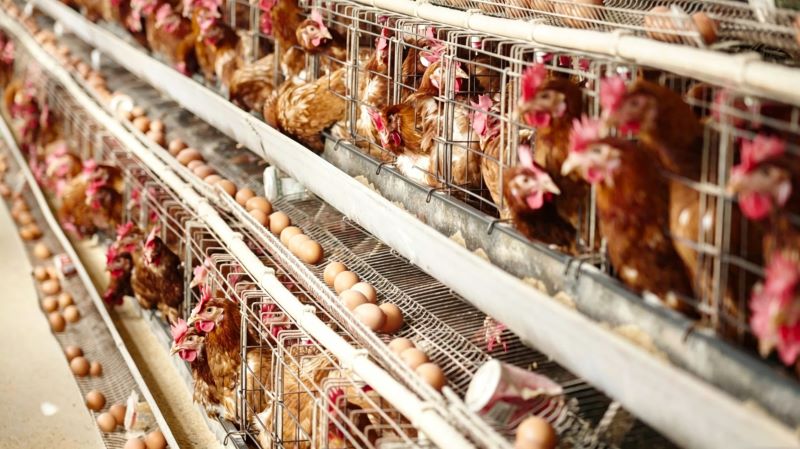
Market analysts estimate that the transition affects over 300 million hens in Europe alone. Replacement cycle typically spans 3–5 years, meaning peak equipment sales will occur between 2025 and 2028. However, policy spillover to other regions extends the boom. In the US, several states (e.g., California, Michigan) have passed similar cage‑free laws, while large food retailers globally commit to cage‑free supply chains.
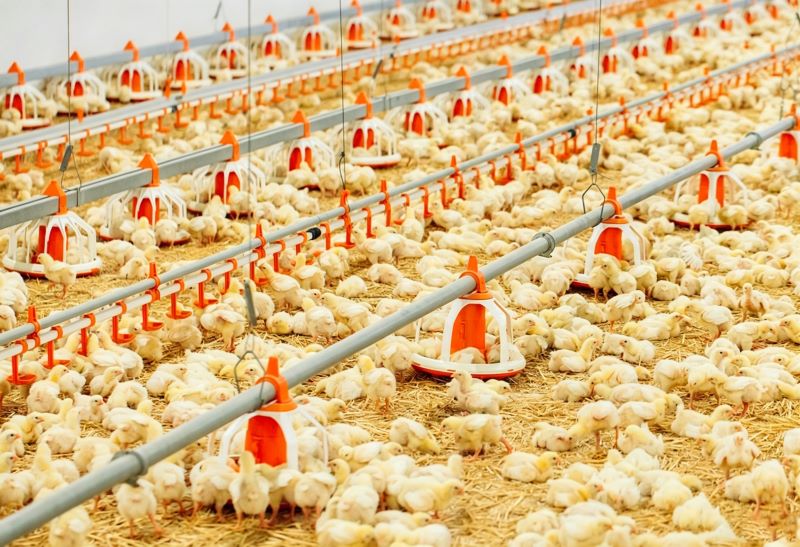
Thus, the “policy dividend” for floor rearing equipment will likely continue beyond 2030, driven by lagging adopters, retrofit demand, and emerging markets following Europe’s lead. Suppliers should prepare for sustained growth, not a short‑term spike.
Share this:
Other Posts
-
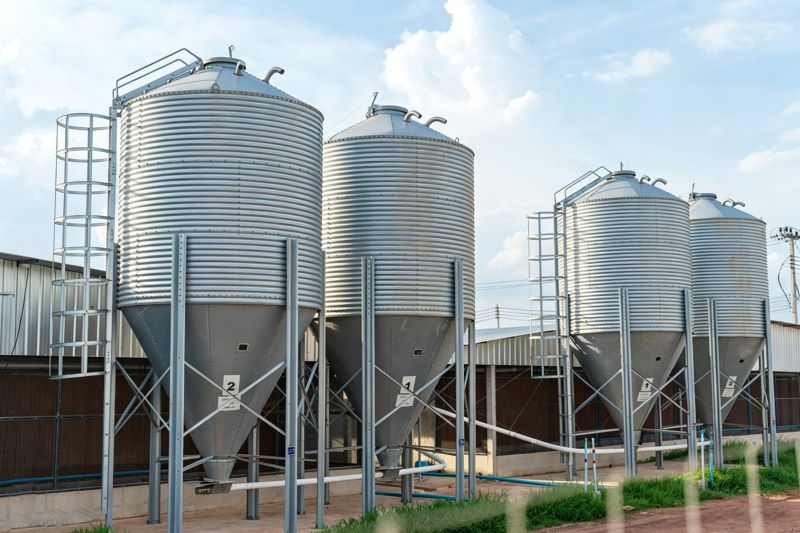
How Moldy Feed Drives Gut Disease in Broilers – and Your Vet Bills
As a poultry equipment manufacturer serving farms across multiple regions, we see a recurring pattern: farms with frequent gut disease outbreaks often have one thing in common—poor feed storage conditions. Feed Mold Is More Common Than You Think Mycotoxins—toxic compounds produced by mold fungi—are widespread in poultry feed. Global surveys show 24% to 66% of…
-
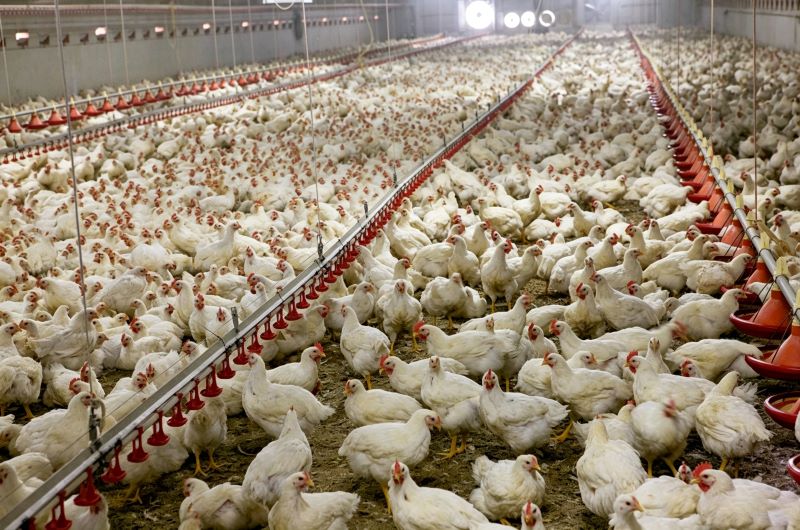
Cage vs. Floor Housing for Poultry Farms: 20 Key Factors to Consider Before Choosing a System
Choosing between cage and floor housing requires a comprehensive evaluation of farm conditions rather than relying on a single factor. This article compares 20 practical dimensions, including space utilization, investment, labor, feeding, manure management, ventilation, automation, and long-term operating costs. Cage systems may provide higher vertical space utilization, while floor housing can suit different production…
-
How to Improve Broiler Feed Conversion Ratio: The Synergy of Precision Feeding and Smart Environmental Control
Feed conversion ratio (FCR) is the most critical metric in broiler production—feed accounts for 60–70% of total costs. Improving FCR by just 0.1 can save over 6 tons of feed per 10,000 birds annually. This article examines how precision feeding and smart environmental control work together to achieve this gain. Precision Feeding: Right Amount, Right…
-
Reducing Floor Egg Rate in Poultry Farming: Nest Box Selection and Management Strategy for Performance Optimization
Floor egg rate is an important performance indicator in layer poultry production, directly affecting egg collection efficiency, hygiene control, and overall farm profitability. In commercial operations, reducing floor eggs from 8% to 2% requires both proper nest box selection and systematic management strategies. Nest box design is the first critical factor. Appropriate size, entrance height,…
Product Categories
Subscribe To Product News
Leave your email address and receive our latest product updates