Your cart is currently empty!
+86 15863276370

El Niño events alter temperature and humidity patterns, affecting energy use in poultry houses. In temperate zones, unexpected cold spells increase heating demand, raising carbon emissions. Subtropical farms face longer hot periods, intensifying ventilation and cooling pad operation, which spikes electricity consumption. Tropical regions experience extreme humidity, forcing fans and dehumidifiers to run longer.
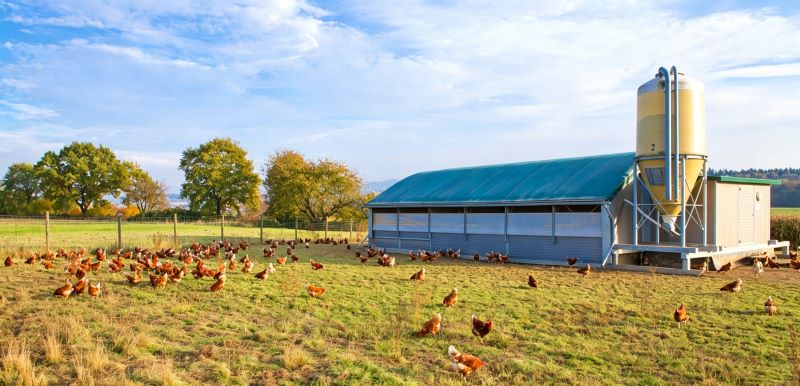
These shifts increase the carbon footprint by 15–30% during El Niño years compared to neutral years. To mitigate this, energy‑efficient climate control systems—such as variable‑speed fans and solar‑assisted cooling—can reduce grid dependency. Installing photovoltaic panels and biogas recovery from manure further lowers net emissions. Adaptive management, including real‑time energy monitoring and predictive control, helps farms maintain low carbon intensity despite climate variability.
Share this:
Other Posts
-
Manure Conveyor Belt Tracking Adjustment – Fix It Yourself Without a Service Call
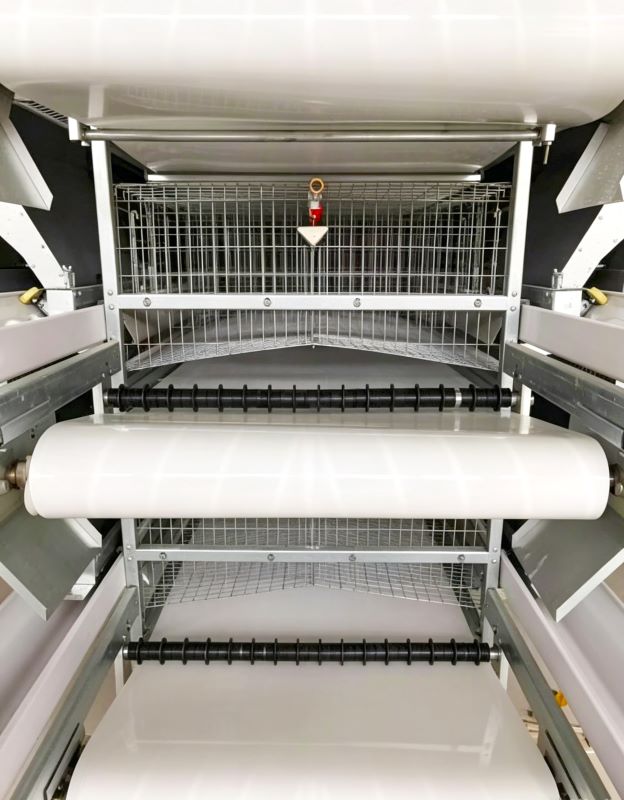
Belt misalignment (tracking off) is a common issue in floor rearing houses. Most cases are caused by uneven tension, non‑parallel rollers, or uneven load distribution. Follow these three steps to fix it yourself. Step 1: Identify the direction and locationRun the belt empty and observe which side it shifts toward. If the belt runs to…
-
Comparative Cost Efficiency Model of Poultry Farm Labor Savings: Europe vs Middle East Market Analysis
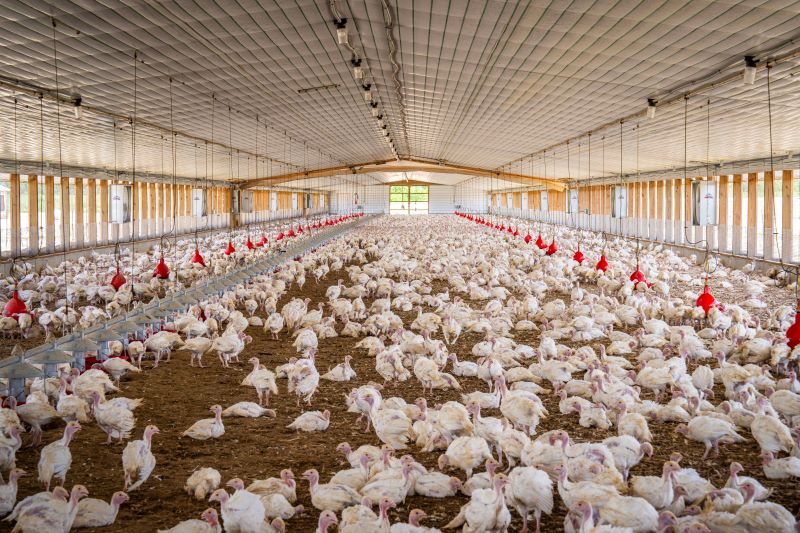
Labor cost structure is one of the most critical variables influencing investment decisions in commercial poultry production systems. This study presents a comparative cost efficiency model for a 10,000-broiler farm, focusing on labor savings potential and automation adoption differences between Europe and the Middle East. In European poultry markets, labor costs are relatively high due…
-
Professional Broiler Breeding Equipment, Boosting Efficient Farming
As a professional manufacturer of broiler breeding equipment, we are committed to providing advanced layer-stacked broiler cage systems for farmers. Our products are made of high-quality hot-dip galvanized steel with a service life of over 15 years, featuring corrosion resistance and anti-aging properties to ensure long-term stable operation. Core Advantages: Our equipment adopts a frame…
-
Feed Loss and Quality Degradation in Poultry Farming: A Comparative Analysis of Manual Feeding vs Automated Feeding Systems
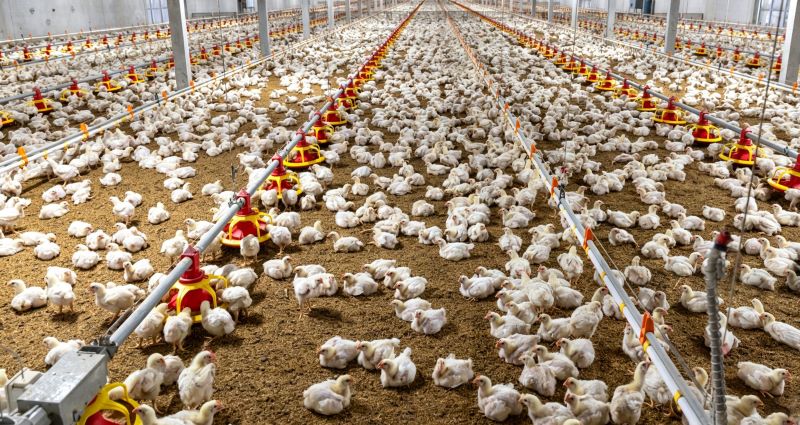
Feed loss and quality degradation are key challenges affecting efficiency in poultry production. This article compares manual and automated feeding systems in terms of feed spillage and deterioration risks. Manual feeding is often associated with uneven distribution, higher spillage rates, and increased exposure to environmental factors that may affect feed quality. Automated systems improve feeding…
Product Categories
Subscribe To Product News
Leave your email address and receive our latest product updates