Your cart is currently empty!
+86 15863276370

In tunnel-ventilated poultry houses, evaporative cooling pad performance directly impacts bird welfare and productivity during summer. Two critical factors determine system effectiveness: proper pad sizing and water quality management.
Pad Sizing Principles
Pad area should be determined by total tunnel fan capacity, not house dimensions. Industry standard recommends one square foot of six-inch pad for every 350 cfm of fan capacity, equating to a design velocity of 350 ft/min through the pads. Insufficient pad area increases static pressure, reduces airspeed, and diminishes bird cooling. A 25% reduction in pad area can decrease airflow by 10% or more and reduce wind chill effect by 3°F or more. When sizing for high-speed houses (600–800 ft/min air velocity), pad area should be calculated based on total fan capacity at design static pressure of 0.15–0.20 inches.
Water Quality as a Performance Factor
Water quality is equally critical. Evaporative pads require pH between 6 and 8 for optimal performance. As water evaporates, minerals concentrate, forming scale that reduces cooling efficiency. Research shows mineral scale formation can reach 168 grams per 1,000 liters of water consumed. Heavily scaled pads can accumulate over one kilogram of mineral deposits, significantly restricting airflow and reducing evaporative efficiency.
Continuous bleed-off is essential—recommended rate is 1 gallon per hour per linear foot of pad length. Systems should maintain sump pH between 7 and 9 and hardness below 110 ppm. Regular flushing (weekly recommended) prevents scale buildup and preserves pad life.
Synergistic Benefits
Properly sized pads combined with proactive water management deliver measurable returns: cooling efficiencies of 70–80%, incoming air temperature reductions of 5–15°F, reduced bird mortality, and improved feed conversion. The synergy between adequate pad area and clean water circulation ensures consistent cooling performance throughout the hottest periods, protecting flock health and farm profitability.
Need help optimizing your cooling system? Contact us for a customized pad sizing and water management assessment.
Share this:
Other Posts
-
Optimizing Maintenance and Spare Parts Inventory: Preventive Strategies to Reduce Environmental Control System Failures
Environmental control systems are critical for poultry house performance. Unplanned fan or sensor failures during heat waves can cause catastrophic losses. A preventive maintenance strategy significantly reduces this risk. Key elements include: scheduled inspections of fans, motors, and belts every 500 operating hours; calibration checks for temperature and humidity sensors monthly; and cleaning of cooling…
-
Hello world!
Welcome to WordPress. This is your first post. Edit or delete it, then start writing!
-
From Feed Waste to Precision Feeding: How Better Feed Management Can Improve Broiler FCR and ROI
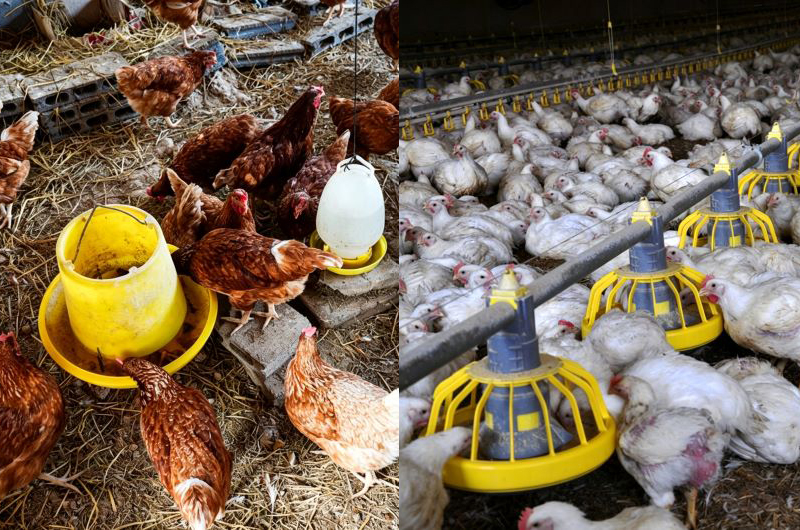
Feed is one of the major operating costs in broiler production, making feed efficiency an important factor in farm profitability. Precision feeding and well-designed feeding equipment can help reduce unnecessary feed waste and improve feeding consistency. However, the return on investment depends on farm conditions and should be evaluated using actual production data.
-
Smart Monitoring Systems in Poultry Farming: Efficiency Improvements and Operational Mechanisms
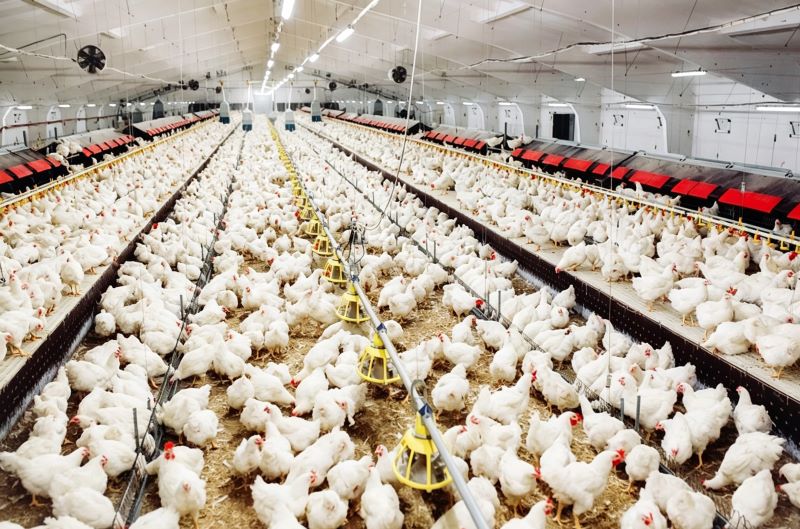
Smart monitoring systems are increasingly used in modern poultry farming to improve production efficiency, environmental stability, and overall flock performance. In commercial broiler production environments, integrated monitoring solutions have been associated with productivity improvements of approximately 20–34%, depending on farm scale, equipment configuration, and management practices. The main mechanism behind this improvement is real-time environmental…
Product Categories
Subscribe To Product News
Leave your email address and receive our latest product updates