Your cart is currently empty!
+86 15863276370

As a poultry equipment manufacturer serving farms across multiple regions, we see a recurring pattern: farms with frequent gut disease outbreaks often have one thing in common—poor feed storage conditions.
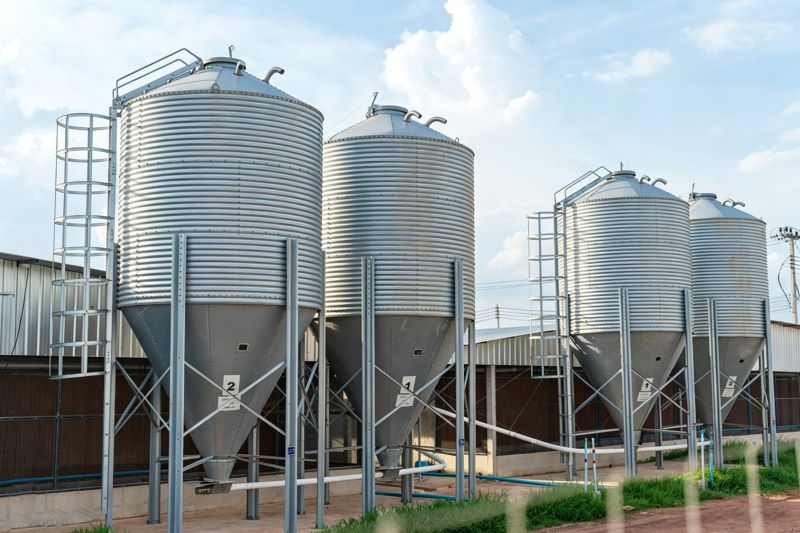
Feed Mold Is More Common Than You Think
Mycotoxins—toxic compounds produced by mold fungi—are widespread in poultry feed. Global surveys show 24% to 66% of feed samples test positive for mycotoxin contamination. Aflatoxin B1 (AFB1) and deoxynivalenol (DON) are among the most common contaminants.
How Mold Damages Gut Health
AFB1 disrupts intestinal microbiota, triggers oxidative stress, impairs gut morphology, and reduces nutrient absorption—directly suppressing growth. DON reduces feed intake, damages gut barrier function, and weakens immune defense, making birds more vulnerable to infections like necrotic enteritis.
The Cost of Ignoring Feed Quality
For a medium‑scale broiler farm, mycotoxin‑related losses can exceed £150,000 annually—from reduced feed efficiency, higher mortality, and increased medication costs.
Where Equipment Makes the Difference
Feed storage is often the weakest link. Poorly sealed silos allow moisture ingress, creating ideal conditions for mold growth. At [Your Company Name], our sealed feed silos are designed to keep feed dry and protected—reducing mold risk before it reaches the birds.
What You Can Do
- Test feed regularly for mycotoxin levels
- Store feed in dry, well‑ventilated conditions
- Consider mycotoxin binders in feed formulation
- Monitor flock for early signs of gut issues
Feed quality starts with storage. We help farms protect it.
Learn more about our sealed feed storage solutions → [https://www.breedingmachinery.com/product-category/feed-line-system/]
Share this:
Other Posts
-
From Design to Implementation: A Practical Guide to Biosecurity Layout for Floor Rearing Farms
Effective biosecurity starts with a clear layout. Separate clean and dirty zones clearly. The entry point should include a changing room, footbath, and hand sanitizer. Place sealed fences around the farm to prevent wild birds and rodents from entering. Design a one-way flow: workers move from office to changing room to house, never backward. Vehicles…
-
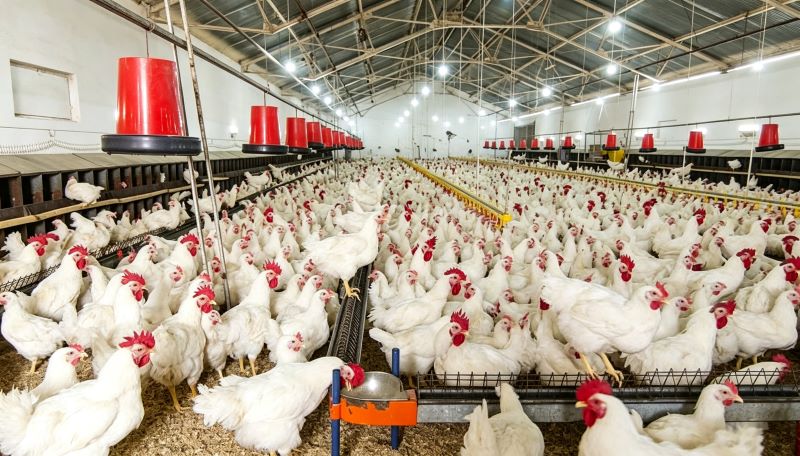
Pan vs. Chain Feeding Systems: Feed Efficiency, Waste Control, and Farm Application
This article compares pan and chain feeding systems from the perspective of feed efficiency and waste control. Both systems can support automated feeding, but their performance depends on equipment settings, farm layout, feed characteristics, and management practices. Key evaluation factors include feed spillage, distribution consistency, labor requirements, and maintenance. Selecting the appropriate system according to…
-
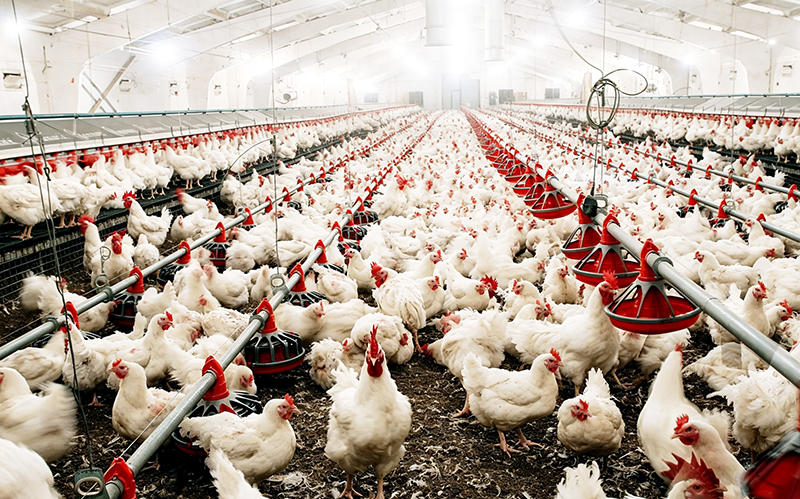
Flock Uniformity and Group Management in Poultry Farms: Improving Heat Distribution and Environmental Control
Flock uniformity is an important factor in poultry house management. Significant differences in body weight can create uneven feeding requirements and differences in individual heat production. Grouping birds by size or production stage can help farmers manage these variations and improve environmental control, although the actual effect depends on flock density, climate, ventilation, and management…
-
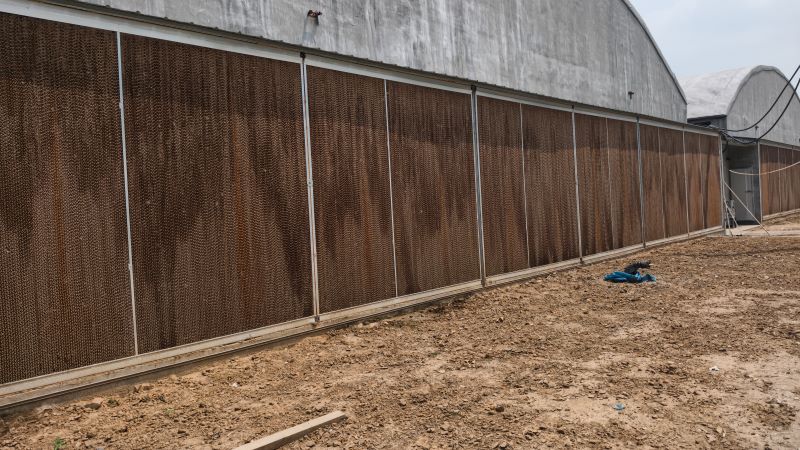
Evaporative Cooling Pad Water Quality and Maintenance: How Hardness, pH, and Mineral Scale Affect Cooling Performance
Water quality is an important factor affecting the performance and maintenance of evaporative cooling pads in poultry houses. High mineral content, unsuitable pH conditions, and accumulated scale can interfere with water distribution and evaporation efficiency. This article examines practical maintenance strategies, including water testing, controlled bleed-off, periodic flushing, and routine inspection. Effective water management can…
Product Categories
Subscribe To Product News
Leave your email address and receive our latest product updates