Your cart is currently empty!
+86 15863276370

-
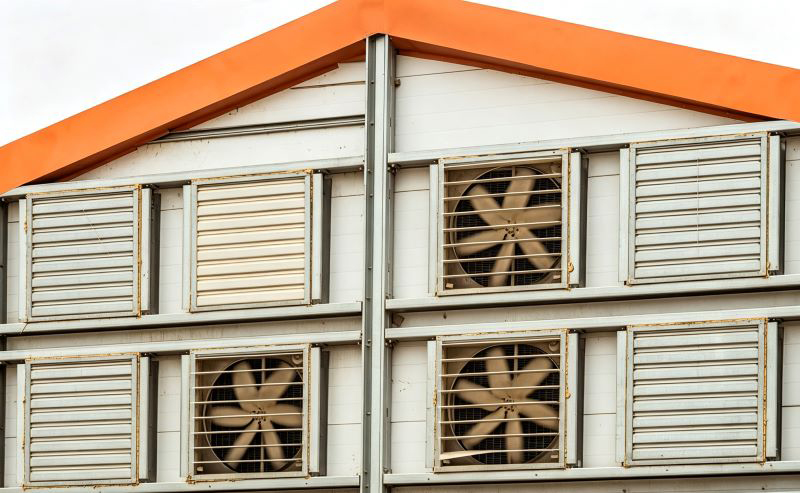
Integrated Poultry Cooling Systems: Combining Fans, Cooling Pads, Fogging and Smart Climate Control
An integrated poultry cooling system combines ventilation fans, evaporative cooling pads, fogging equipment, sensors, and climate controllers to improve environmental management. System configuration should be adapted to local climate conditions. Dry-hot regions may benefit more from evaporative cooling, while hot-humid environments require careful humidity management and sufficient ventilation. ROI evaluation should include equipment investment, energy…
-
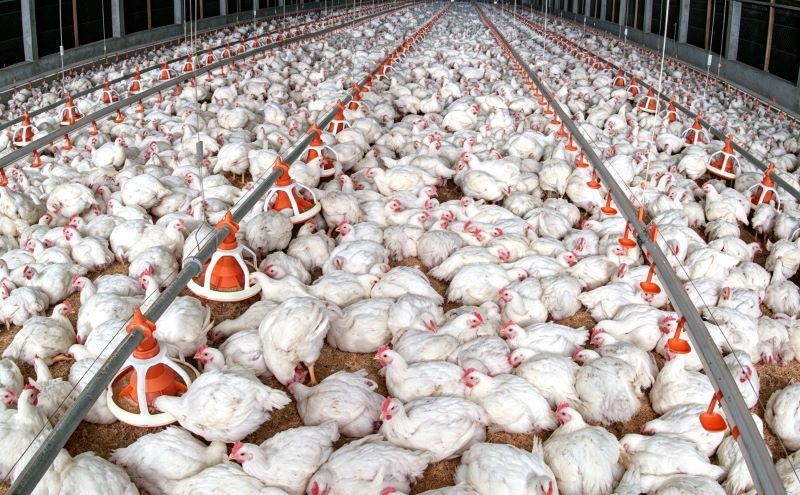
Poultry House Cooling Sequence During Extreme Heat: When to Start Tunnel Fans and Evaporative Cooling Pads
Extreme heat requires a coordinated cooling strategy in poultry houses. A staged approach generally begins with increased tunnel ventilation to remove accumulated heat and improve air movement. Evaporative cooling pads can then be introduced when ventilation alone is insufficient, provided that humidity and airflow conditions are suitable. During severe heat, fans and cooling pads can…
-
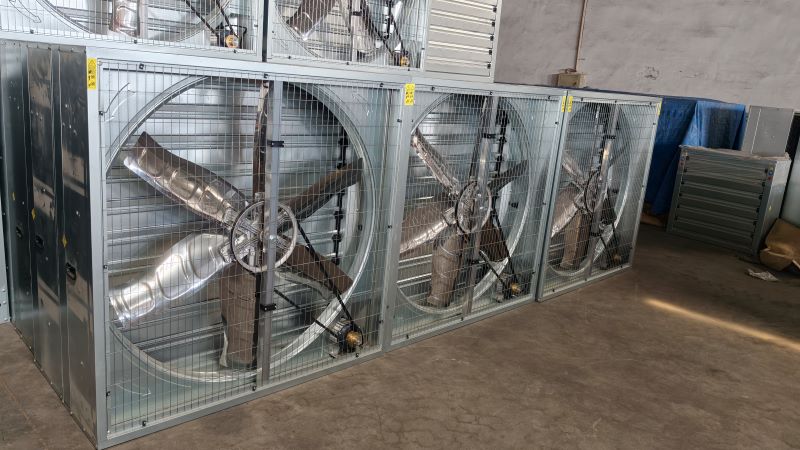
How Variable-Speed Poultry Fans Reduce Energy Use Without Compromising Cooling Performance
Variable-speed poultry fans can help farms balance cooling performance and electricity consumption by adjusting airflow according to environmental conditions. Instead of operating continuously at full speed, fans can run at lower speeds during moderate conditions and increase capacity when temperatures rise. When integrated with temperature sensors, evaporative cooling pads, and climate-control systems, variable-speed ventilation can…
-
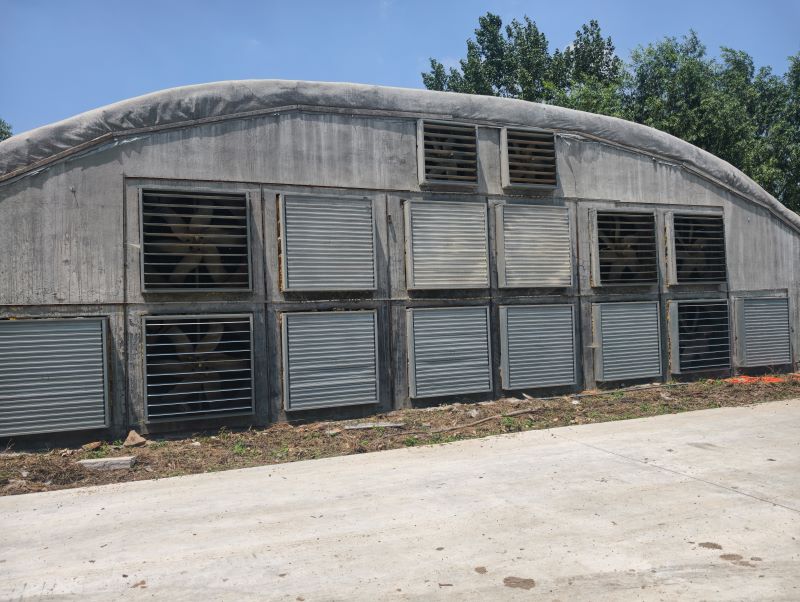
Poultry Fan Noise Suddenly Increases? 3-Step Troubleshooting Guide
A sudden increase in poultry fan noise can indicate problems with blades, bearings, motors, or mounting components. This article provides a three-step inspection method covering fan blades, moving components, and installation structures. Regular cleaning and maintenance can help identify abnormal vibration and mechanical problems early. Safe power isolation is essential before inspection, while electrical and…
-
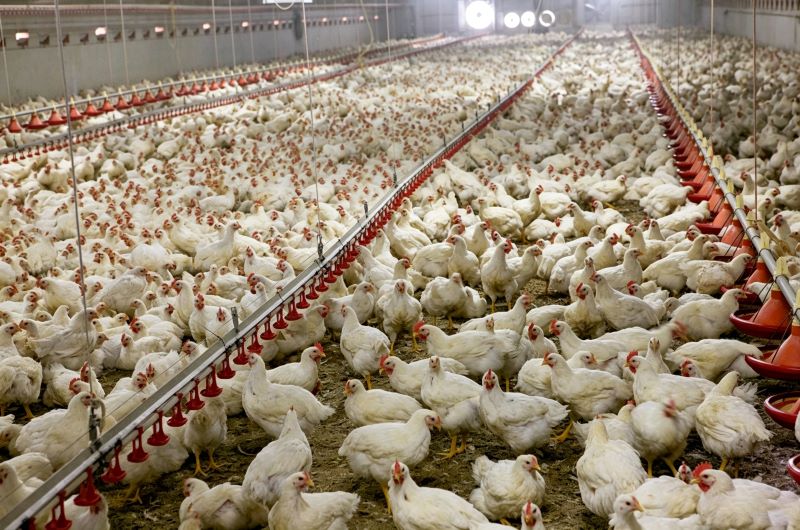
Cage vs. Floor Housing for Poultry Farms: 20 Key Factors to Consider Before Choosing a System
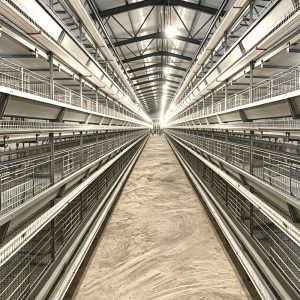
Choosing between cage and floor housing requires a comprehensive evaluation of farm conditions rather than relying on a single factor. This article compares 20 practical dimensions, including space utilization, investment, labor, feeding, manure management, ventilation, automation, and long-term operating costs. Cage systems may provide higher vertical space utilization, while floor housing can suit different production…
-
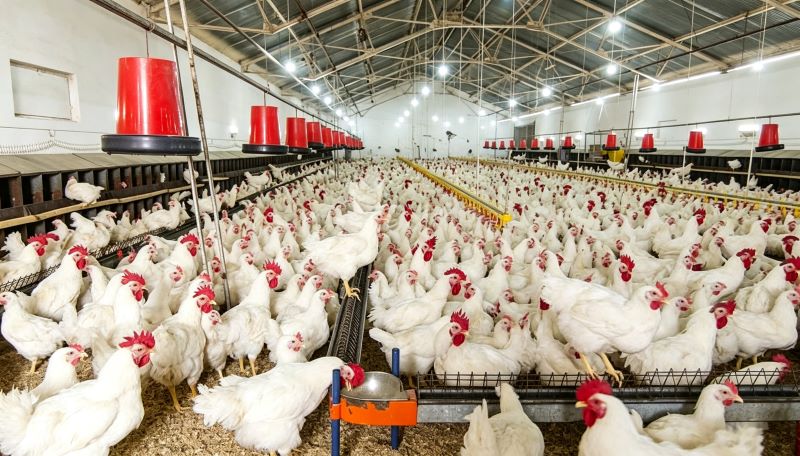
Pan vs. Chain Feeding Systems: Feed Efficiency, Waste Control, and Farm Application
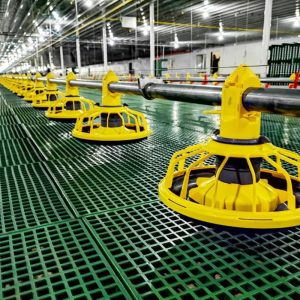
This article compares pan and chain feeding systems from the perspective of feed efficiency and waste control. Both systems can support automated feeding, but their performance depends on equipment settings, farm layout, feed characteristics, and management practices. Key evaluation factors include feed spillage, distribution consistency, labor requirements, and maintenance. Selecting the appropriate system according to…
-
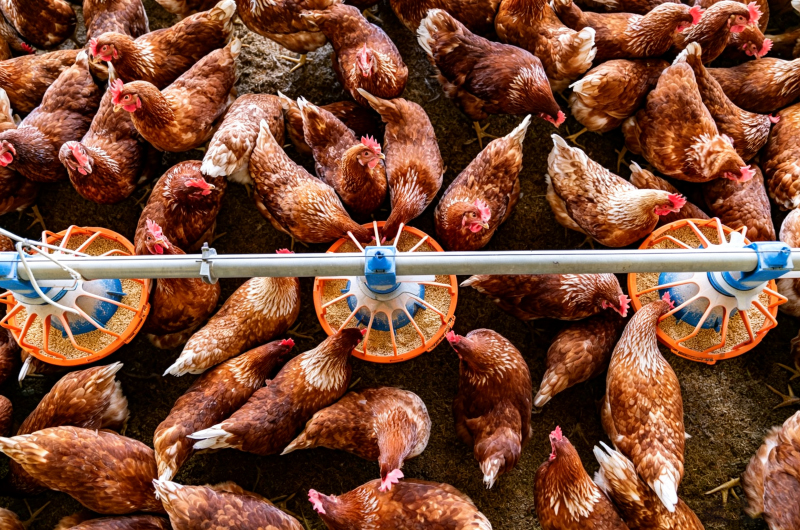
Quantifying Feed Loss in Poultry Farming: Spillage, Spoilage, and Feed Refusal Analysis
Feed loss is a key challenge in poultry production, directly affecting economic efficiency and resource utilization. This article provides a quantitative analysis of three primary sources of feed loss: spillage, spoilage, and feed refusal. By examining their causes, typical loss ratios, and influencing factors, the study highlights practical strategies for reducing waste. Optimizing feeder design,…
-
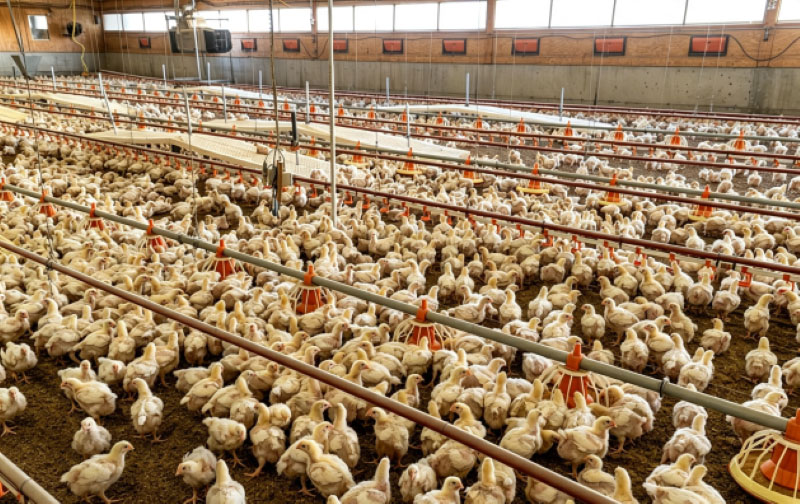
El Niño-Based Feed Storage Strategies for Poultry Farms: Preventing Mold Risk Through Climate-Adaptive Management
El Niño-related climate variations may create additional challenges for poultry feed storage, especially in humid regions where mold risk can increase. This article discusses climate-adaptive strategies including sealed feed silos, moisture control methods, and phased feed purchasing plans. By combining suitable storage equipment with scientific management practices, poultry farms can improve feed quality stability and…
-
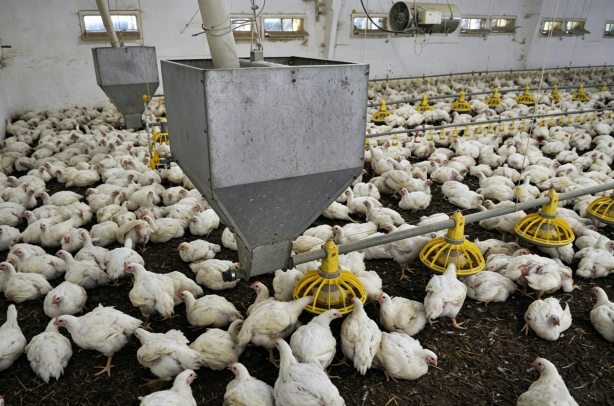
How Automatic Feeding Systems Reduce Labor Dependency in Poultry Farms: From Feed Handling to Smart Farm Management
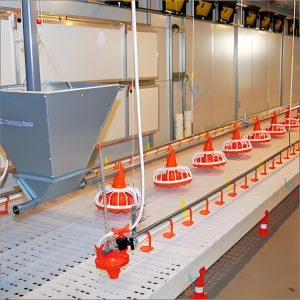
Automatic feeding systems help poultry farms reduce labor dependency and improve feeding consistency. This article analyzes the transition from manual feeding to semi-automatic and fully automated systems, covering feed handling, transportation, distribution, and management processes. By improving operational efficiency and standardization, automation provides long-term value for modern poultry production.
-
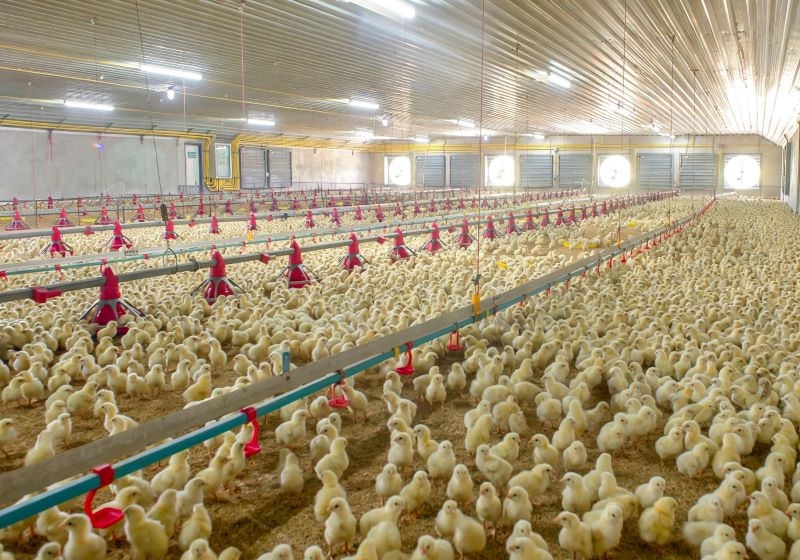
Heat Stress Management in Tropical and Subtropical Poultry Farms: Cooling Strategies, Feeding Adjustment, and Stocking Density Optimization
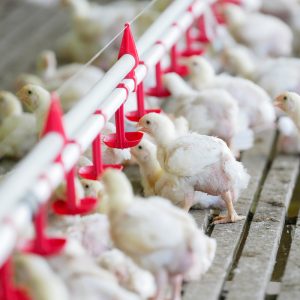
Heat stress is a major challenge for poultry production in tropical and subtropical regions, especially during periods of abnormal temperature increases. This article analyzes the effects of heat stress on broiler feed intake, growth performance, and farm management efficiency. It discusses practical strategies including evaporative cooling systems, ventilation improvement, stocking density adjustment, and feeding schedule…
Product Categories
Subscribe To Product News
Leave your email address and receive our latest product updates