Your cart is currently empty!
+86 15863276370

-
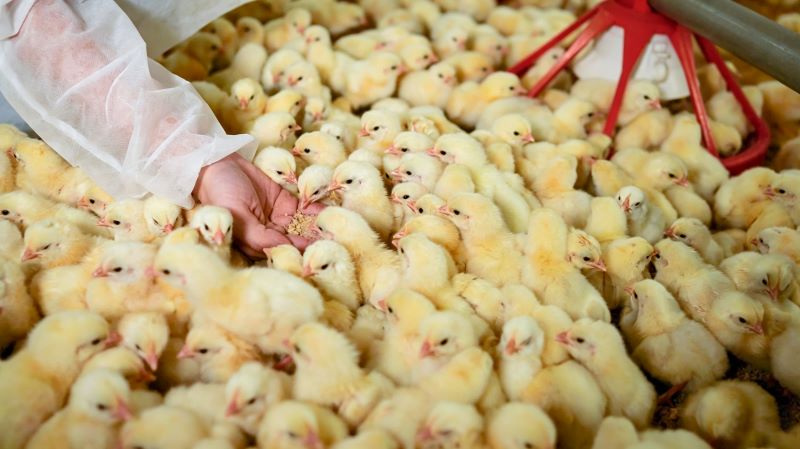
ROI Analysis of Precision Feeding Systems in Poultry Farming: How Smart Feeding Improves Feed Efficiency and Operational Performance
Precision feeding systems are becoming increasingly important in modern poultry production as farms seek better feed efficiency and more standardized management. This article analyzes the investment value of precision feeding technology by examining its impact on feeding accuracy, feed utilization, labor requirements, and operational efficiency. The ROI of such systems depends on factors including farm…
-
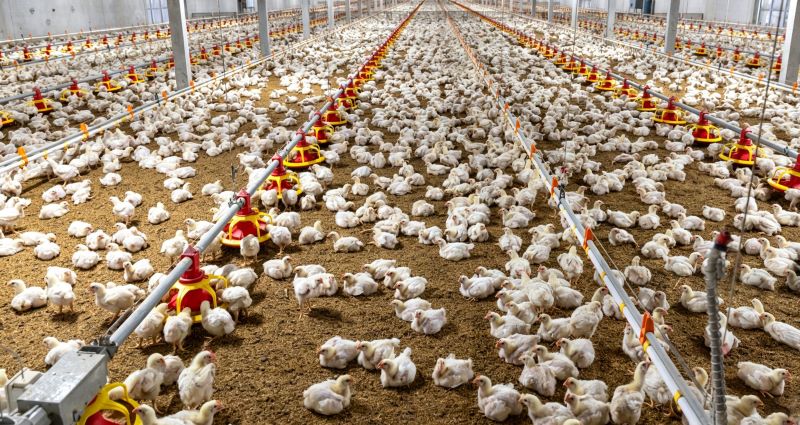
Feed Loss and Quality Degradation in Poultry Farming: A Comparative Analysis of Manual Feeding vs Automated Feeding Systems
Feed loss and quality degradation are key challenges affecting efficiency in poultry production. This article compares manual and automated feeding systems in terms of feed spillage and deterioration risks. Manual feeding is often associated with uneven distribution, higher spillage rates, and increased exposure to environmental factors that may affect feed quality. Automated systems improve feeding…
-
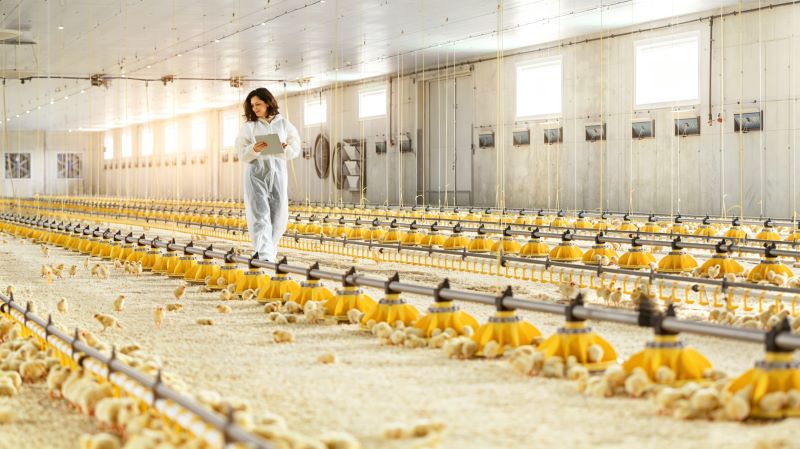
From Labor Shortage to Smart Farming: How Automated Feeding Systems Enable Long-Term Efficiency and Strategic Transformation in Poultry Production
Labor shortages are increasingly influencing poultry production systems worldwide. This article explores how automated feeding systems can reduce reliance on unstable labor while improving feeding consistency, production efficiency, and management standardization. It highlights the transition from labor-intensive to low-labor farming models and emphasizes automation as a long-term strategic investment rather than a short-term cost-saving measure.…
-
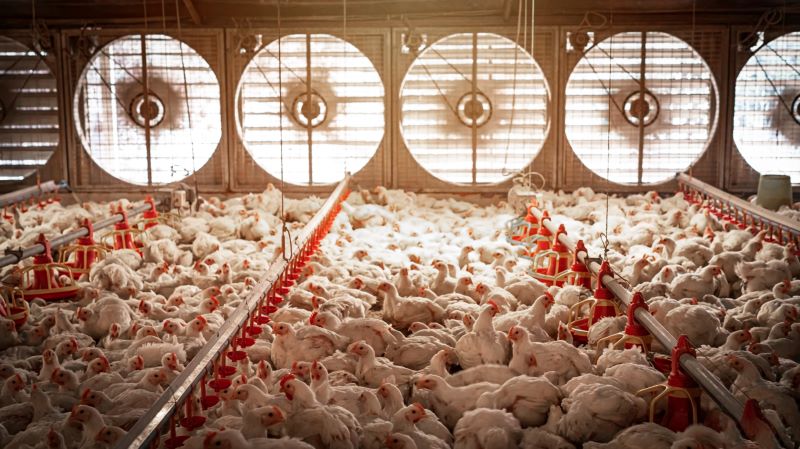
El Niño Impact on Broiler House Climate Control: Adaptive Ventilation and Cooling Strategies for Temperature and Humidity Management
El Niño events may create additional challenges for poultry production by influencing temperature patterns, humidity levels, and precipitation conditions in some regions. This article analyzes the potential impacts of climate fluctuations on broiler house environmental management and discusses adaptive strategies including ventilation system upgrades, evaporative cooling coordination, and real-time environmental monitoring. Effective climate control requires…
-
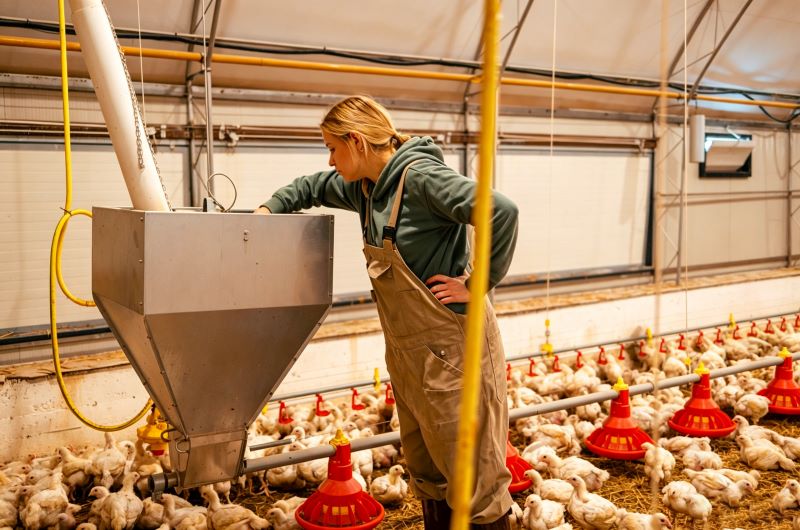
Automatic Poultry Feed Line Blocking Problems: 6 Common Causes and Troubleshooting Solutions
Automatic feeding systems are widely used in modern poultry farms to improve feeding efficiency and reduce labor dependency. However, feed line blockage can interrupt feeding operations and affect farm productivity. This article analyzes six common causes of automatic poultry feed line blockage, including feed quality issues, material accumulation, mechanical component wear, improper installation, electrical problems,…
-

Automatic Manure Removal System ROI Analysis: Labor Cost, Ammonia Control, and Waste Management Comparison Before and After Installation
Automatic manure removal systems are becoming an important component of modern poultry farm automation. This article compares traditional manual manure handling and automated manure conveyor systems from three perspectives: labor requirements, ammonia management, and waste processing efficiency. Manual cleaning methods may increase labor dependency and create challenges in maintaining consistent environmental conditions. Automated manure removal…
-
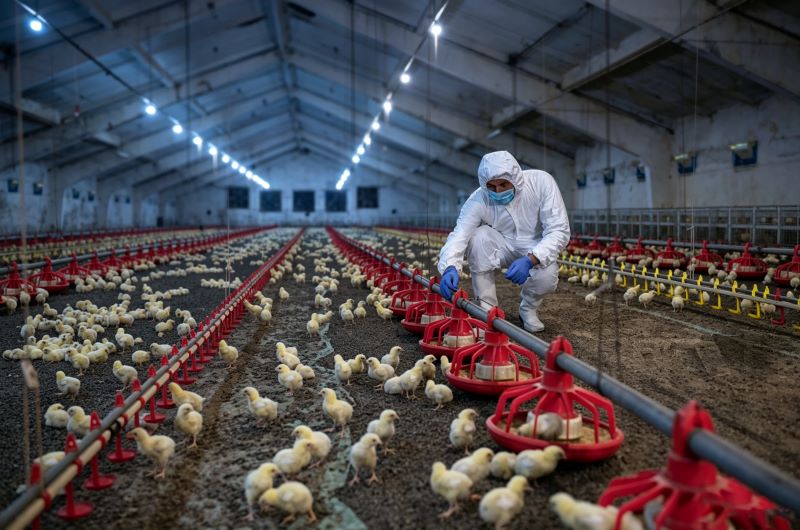
5 Common Mistakes to Avoid When Purchasing Complete Poultry Automation Equipment: A Practical Buying Guide
The selection of complete poultry automation equipment plays a critical role in improving farm efficiency and production stability. However, improper equipment planning, insufficient compatibility analysis, and lack of technical support may increase operational challenges. This article identifies five common mistakes in poultry automation equipment purchasing, including price-focused decisions, unsuitable system matching, climate adaptation issues, insufficient…
-
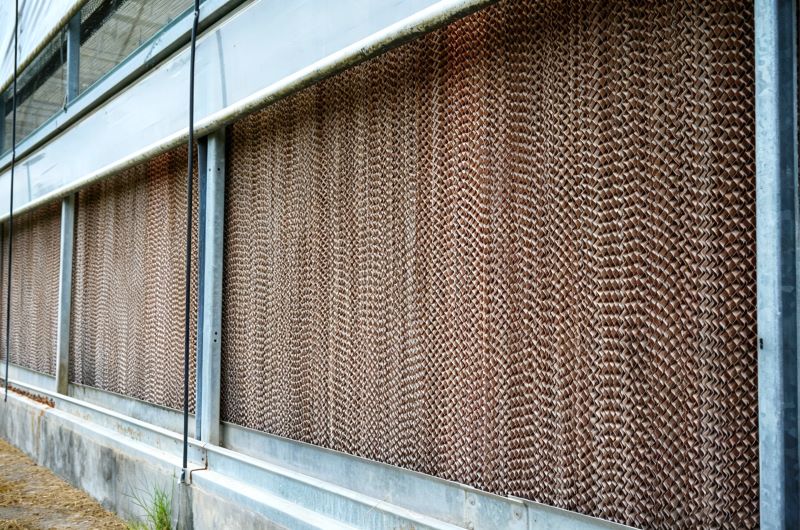
Why Poultry House Cooling Pads Underperform in Summer: Common Causes and Optimization Strategies for Better Heat Stress Control
Evaporative cooling pads are an important component of modern poultry house climate control systems, especially during high-temperature seasons. However, cooling performance may decline due to factors such as insufficient airflow, improper ventilation design, poor maintenance, water quality issues, and unsuitable house structures. This article analyzes the main causes affecting cooling pad efficiency and provides practical…
-
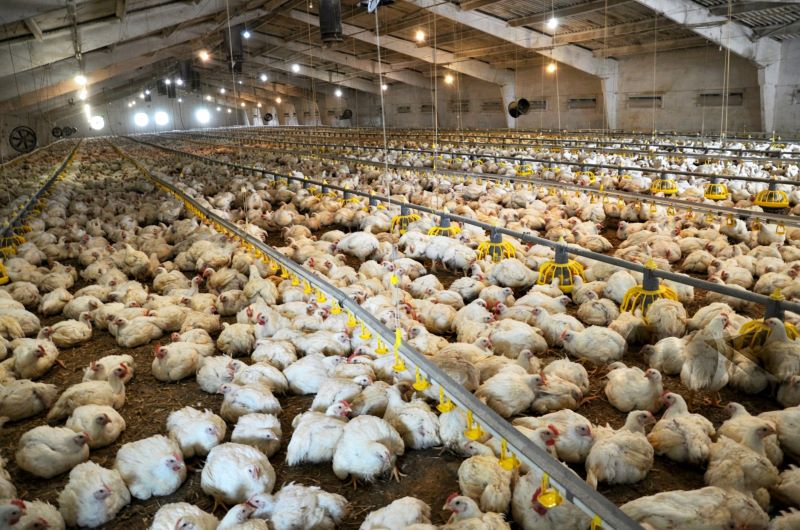
Global Cage-Free Poultry Equipment Market Outlook 2026–2030: Growth Opportunities in the Middle East and Southeast Asia
The global poultry industry is entering a new stage of modernization, with increasing demand for efficient, automated, and sustainable farming solutions. This article analyzes the development opportunities of cage-free poultry equipment markets from 2026 to 2030, focusing on the Middle East and Southeast Asia. It explores regional differences in production needs, climate challenges, labor conditions,…
-
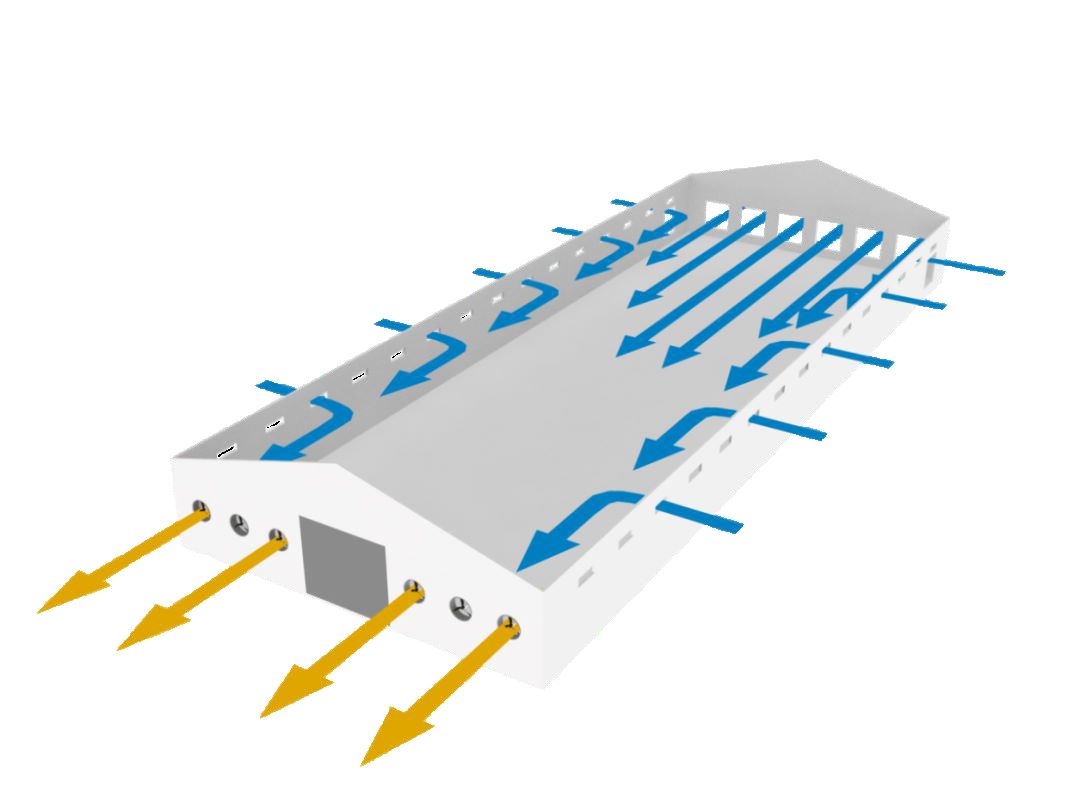
Tunnel Ventilation vs Longitudinal Ventilation in Poultry Houses: How to Select the Right Airflow System for Different Farm Designs
Ventilation system selection is one of the most important factors affecting environmental control efficiency in modern poultry houses. Different house structures, climate conditions, and production scales require different airflow strategies. Among commercial poultry ventilation solutions, tunnel ventilation and longitudinal ventilation are two widely applied systems. Tunnel ventilation works by introducing fresh air from one end…
Product Categories
Subscribe To Product News
Leave your email address and receive our latest product updates