Your cart is currently empty!
+86 15863276370

-
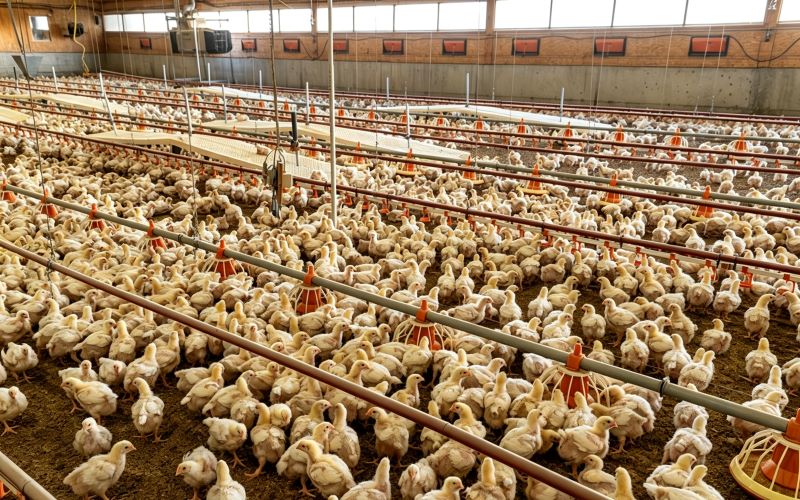
Seasonal Stocking Density Management in Poultry Farming: Dynamic Matching of Bird Density and Heat Load Under Different Temperature Conditions
Stocking density is a critical management factor affecting animal welfare, environmental control efficiency, and production performance in commercial poultry farming. During seasonal temperature changes, maintaining the appropriate bird density becomes increasingly important because heat production from flocks directly influences the internal climate of poultry houses. A seasonal stocking density adjustment model evaluates the relationship between…
-
Predictive Climate Control in Poultry Farming: Using Weather Forecast Data to Reduce Heat Stress Risks
Heat stress management is one of the most important challenges in modern poultry production, especially in regions experiencing frequent extreme temperature events. Traditional environmental control systems mainly respond after temperature changes occur, while predictive climate control combines weather forecast data with automated equipment management to improve farm preparedness. A predictive control model uses external weather…
-
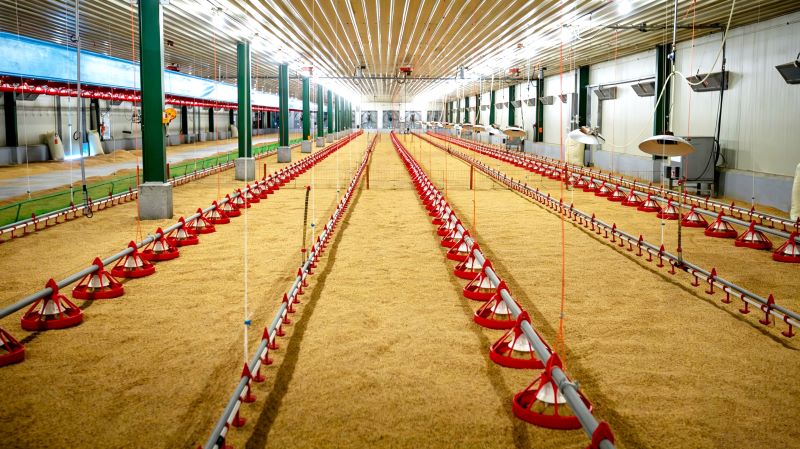
Poultry House Orientation and Heat Stress Reduction: East–West vs North–South Layout Impact on Solar Heat Gain
Poultry house orientation is a fundamental design parameter that directly affects thermal comfort, ventilation efficiency, and broiler performance. In commercial poultry production systems, improper building orientation can significantly increase solar heat gain and raise the risk of heat stress, especially in hot climate regions. An east–west oriented poultry house is typically more exposed to direct…
-
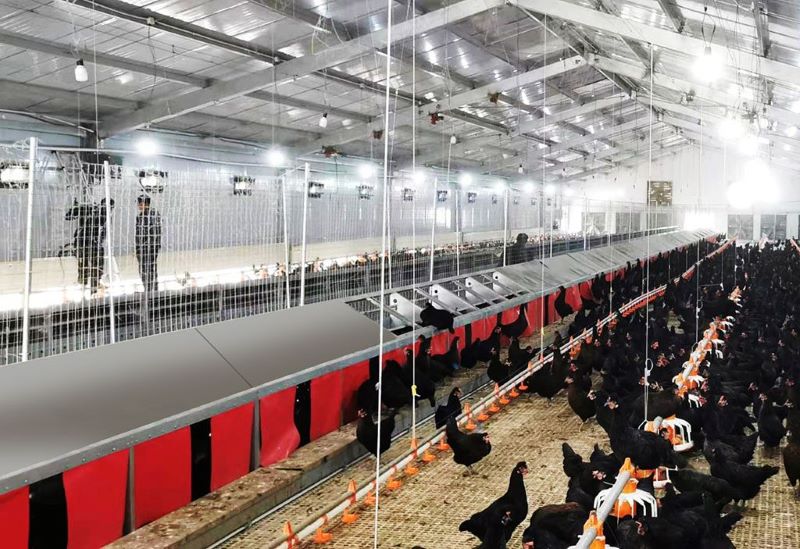
Reducing Floor Egg Rate in Poultry Farming: Nest Box Selection and Management Strategy for Performance Optimization
Floor egg rate is an important performance indicator in layer poultry production, directly affecting egg collection efficiency, hygiene control, and overall farm profitability. In commercial operations, reducing floor eggs from 8% to 2% requires both proper nest box selection and systematic management strategies. Nest box design is the first critical factor. Appropriate size, entrance height,…
-
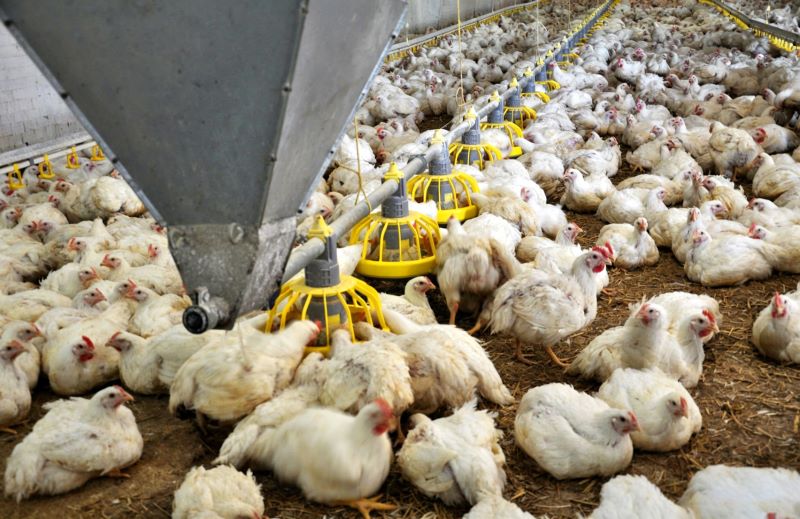
Quantifying Feed Waste in Manual Poultry Feeding: Spillage, Mold Contamination, and Feed Refusal Analysis
Feed efficiency is a critical factor in determining the profitability of commercial poultry production. In manual feeding systems, feed waste is often underestimated, yet it can significantly impact operational costs. This article provides a quantitative breakdown of three major feed loss channels: spillage, mold contamination, and feed refusal. Spillage is one of the most visible…
-
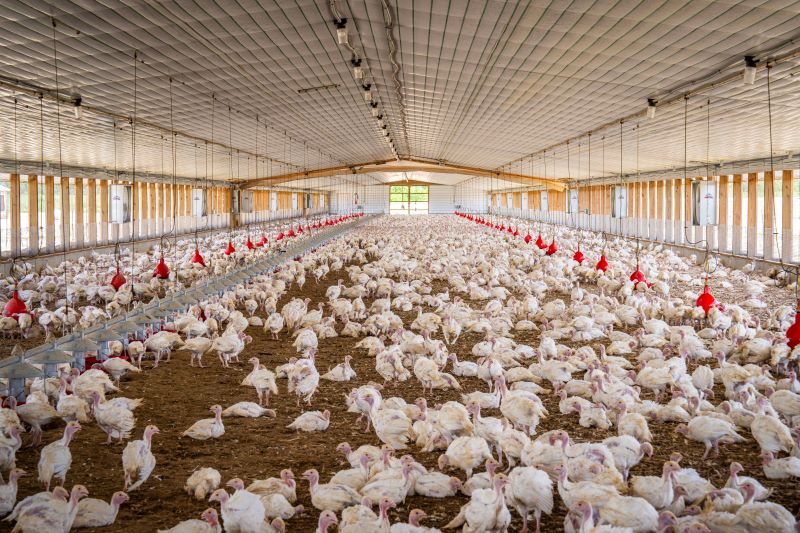
Comparative Cost Efficiency Model of Poultry Farm Labor Savings: Europe vs Middle East Market Analysis
Labor cost structure is one of the most critical variables influencing investment decisions in commercial poultry production systems. This study presents a comparative cost efficiency model for a 10,000-broiler farm, focusing on labor savings potential and automation adoption differences between Europe and the Middle East. In European poultry markets, labor costs are relatively high due…
-
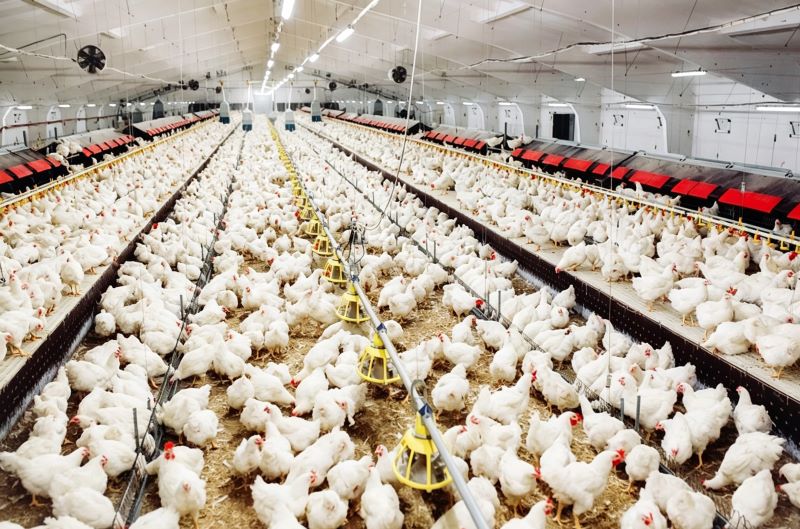
Smart Monitoring Systems in Poultry Farming: Efficiency Improvements and Operational Mechanisms
Smart monitoring systems are increasingly used in modern poultry farming to improve production efficiency, environmental stability, and overall flock performance. In commercial broiler production environments, integrated monitoring solutions have been associated with productivity improvements of approximately 20–34%, depending on farm scale, equipment configuration, and management practices. The main mechanism behind this improvement is real-time environmental…
-
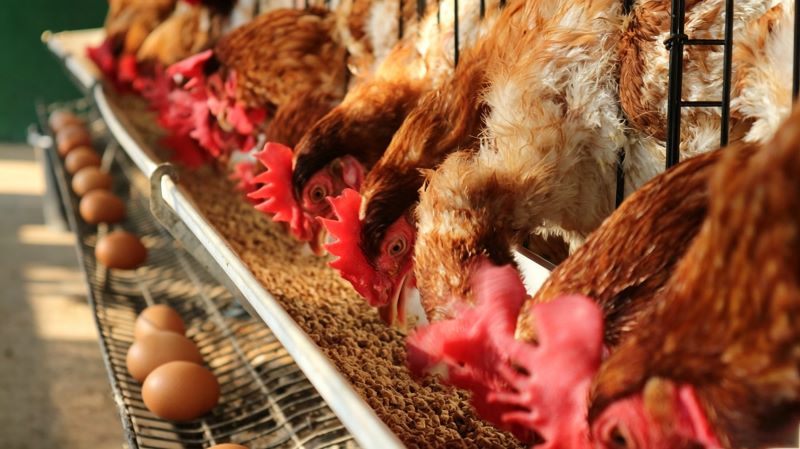
Manual Feeding vs Precision Feeding Systems in Poultry Farming: Efficiency, Cost, and Feed Conversion Comparison
Feed management is one of the most critical factors affecting productivity and cost efficiency in poultry farming. Traditionally, manual feeding has been widely used due to its simplicity and low initial investment. However, with the development of automation technology, precision feeding systems are increasingly replacing manual operations in modern poultry houses. Manual feeding relies heavily…
-
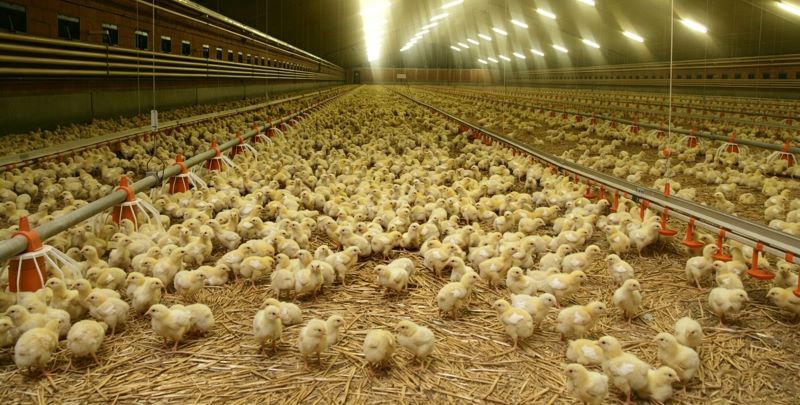
Global Poultry Industry Labor Shortage: Impact on Costs and Farm Operations Across Major Regions
Labor shortages have become a critical challenge in the global poultry industry, particularly across Europe, the Middle East, and Southeast Asia. The main drivers include population aging, declining interest among younger generations in agricultural work, and increasingly strict immigration policies that limit access to foreign labor. In Europe, many farms face difficulty replacing retiring workers,…
-
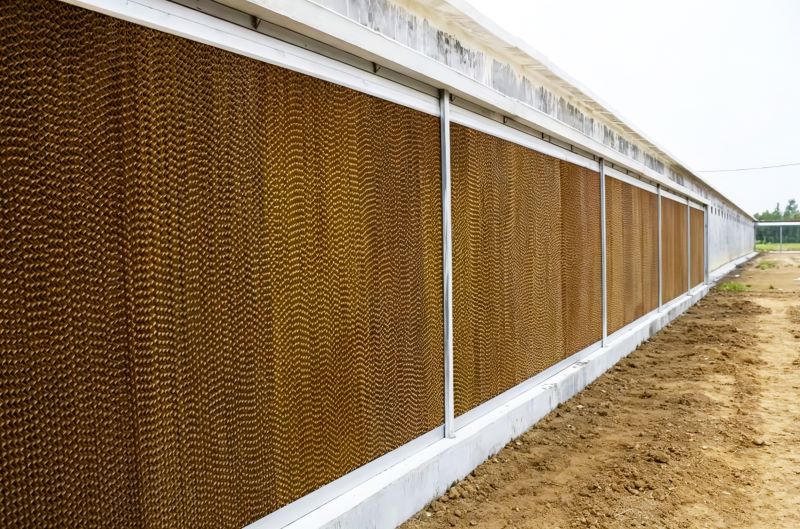
How to Calculate Cooling Pad Area Based on Fan Airflow in Poultry Houses
This article explains how to properly size evaporative cooling pad area based on tunnel ventilation fan airflow instead of house area, ensuring stable airflow and better cooling efficiency in poultry houses.
Product Categories
Subscribe To Product News
Leave your email address and receive our latest product updates