Your cart is currently empty!
+86 15863276370

-
Broiler Drinking Water Management in Summer: Density, Temperature, and Electrolytes for Heat Stress Relief
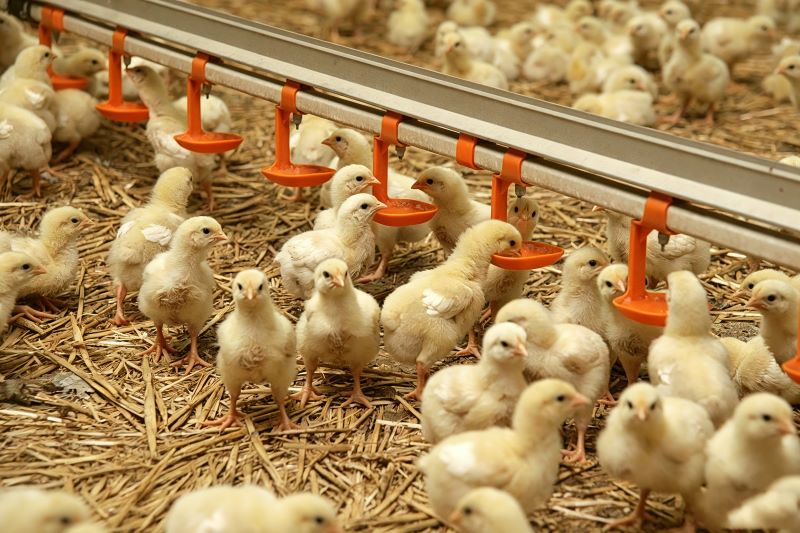
Water is the most critical nutrient for broilers during hot weather. When temperatures rise, birds can double their water intake. Yet many farms overlook three key factors: drinker density, water temperature, and electrolyte supplementation. Here’s what the data shows. Drinker Density: Enough Points Matter Inadequate drinker access is a primary bottleneck during heat stress. Industry…
-
How Moldy Feed Drives Gut Disease in Broilers – and Your Vet Bills
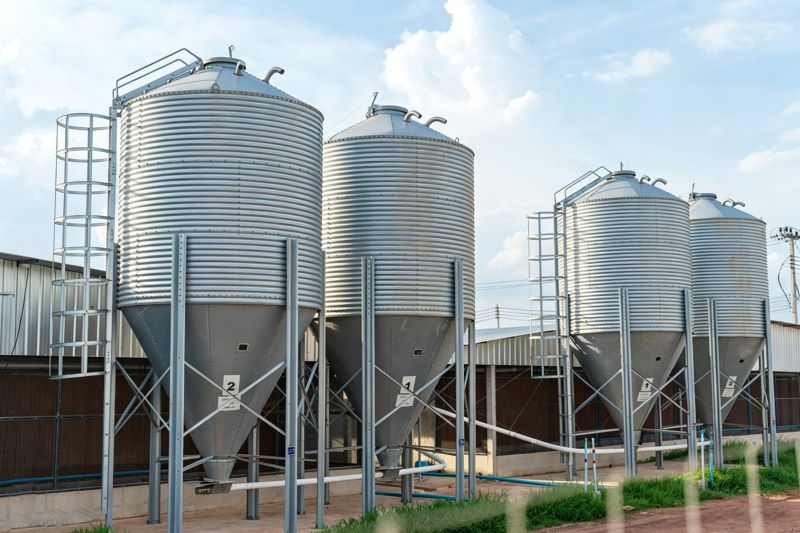
As a poultry equipment manufacturer serving farms across multiple regions, we see a recurring pattern: farms with frequent gut disease outbreaks often have one thing in common—poor feed storage conditions. Feed Mold Is More Common Than You Think Mycotoxins—toxic compounds produced by mold fungi—are widespread in poultry feed. Global surveys show 24% to 66% of…
-
How to Improve Broiler Feed Conversion Ratio: The Synergy of Precision Feeding and Smart Environmental Control
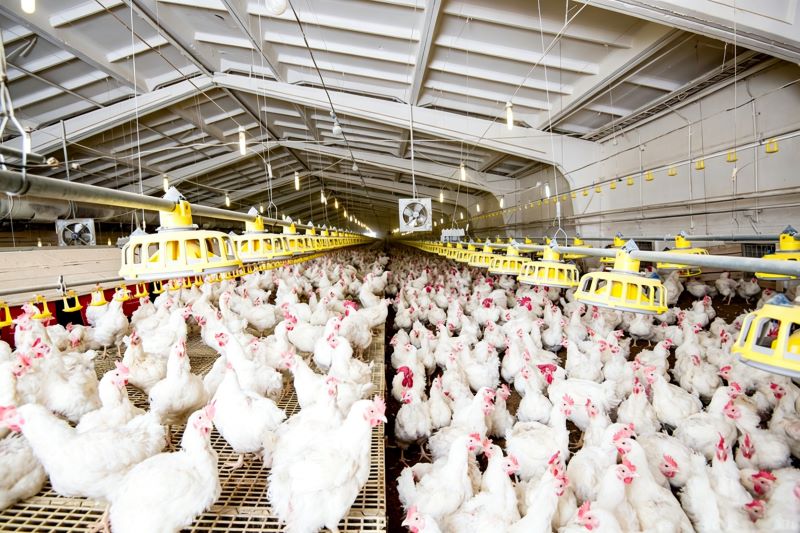
Feed conversion ratio (FCR) is the most critical metric in broiler production—feed accounts for 60–70% of total costs. Improving FCR by just 0.1 can save over 6 tons of feed per 10,000 birds annually. This article examines how precision feeding and smart environmental control work together to achieve this gain. Precision Feeding: Right Amount, Right…
-
Synergistic Optimization of Cooling Pad Expansion and Water Quality Management: Strategies for Improving Evaporative Cooling Efficiency in Hot and Humid Regions
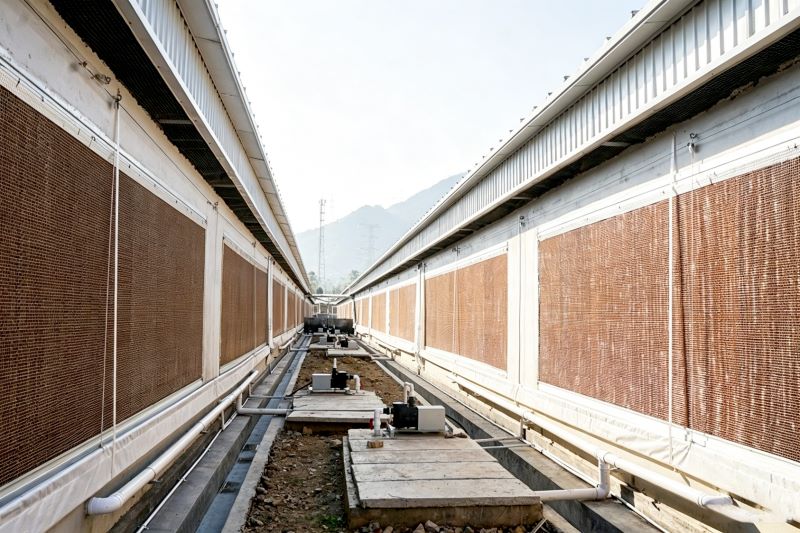
In tunnel-ventilated poultry houses, evaporative cooling pad performance directly impacts bird welfare and productivity during summer. Two critical factors determine system effectiveness: proper pad sizing and water quality management. Pad Sizing Principles Pad area should be determined by total tunnel fan capacity, not house dimensions. Industry standard recommends one square foot of six-inch pad for…
-
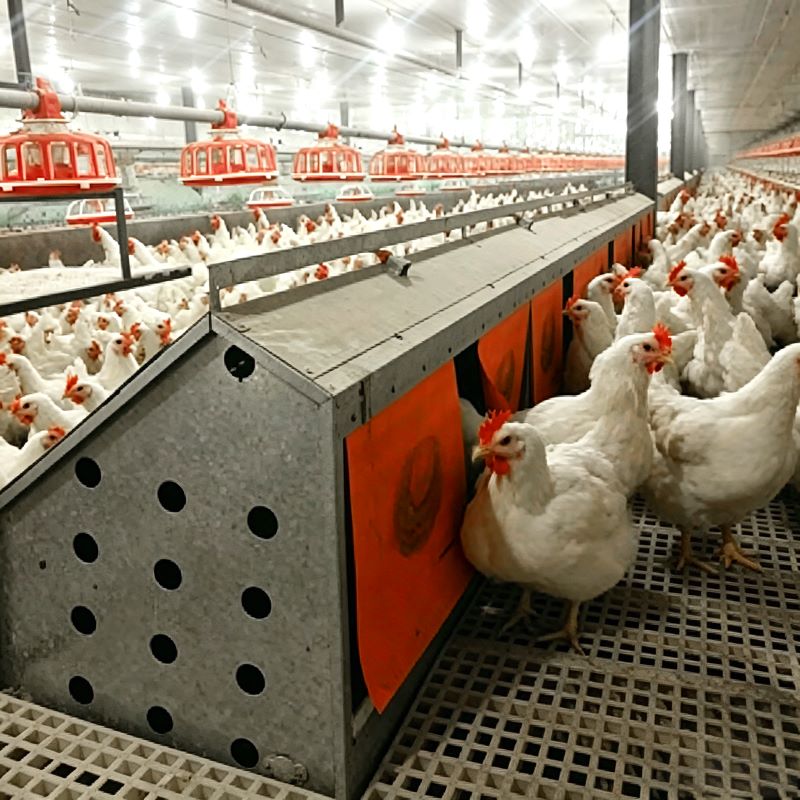
Manual Egg Collection vs. Automated Systems: How Much Labor Cost Can a Nest Box Save You?
For broiler breeder farms, egg collection remains one of the most labor-intensive tasks. Manual collection requires workers to walk through the house multiple times daily, bending and reaching into each nest. For a 10,000-bird flock, manual collection typically consumes 4–6 labor hours per day. At a farm with 50,000 breeders, that translates to 20–30 hours…
-
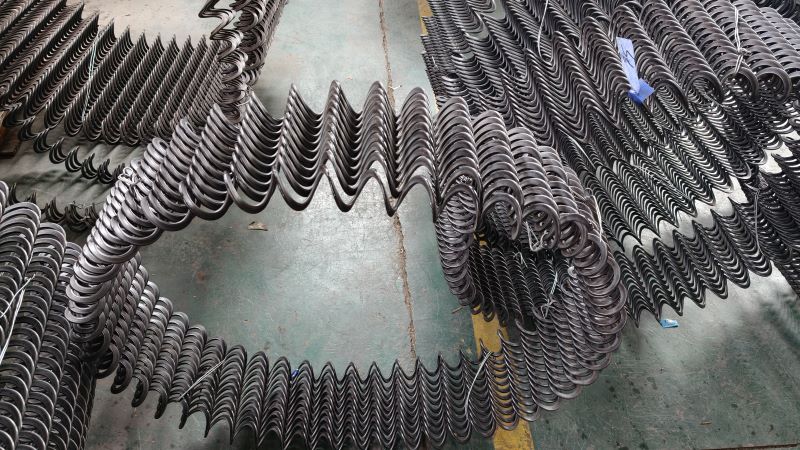
Poultry Feed Auger Diameter: 45mm vs 60mm vs 75mm – How to Choose
Feed augers (screw conveyors) are the core of automated feeding systems, moving feed from silos to feeder lines. The three most common diameters for poultry are 45mm, 60mm, and 75mm. Correct selection impacts delivery efficiency and system longevity. 45mm Auger – Small Farms or Main Feed LineDelivers 250–500 kg/h. Suitable for farms under 5,000 birds,…
-
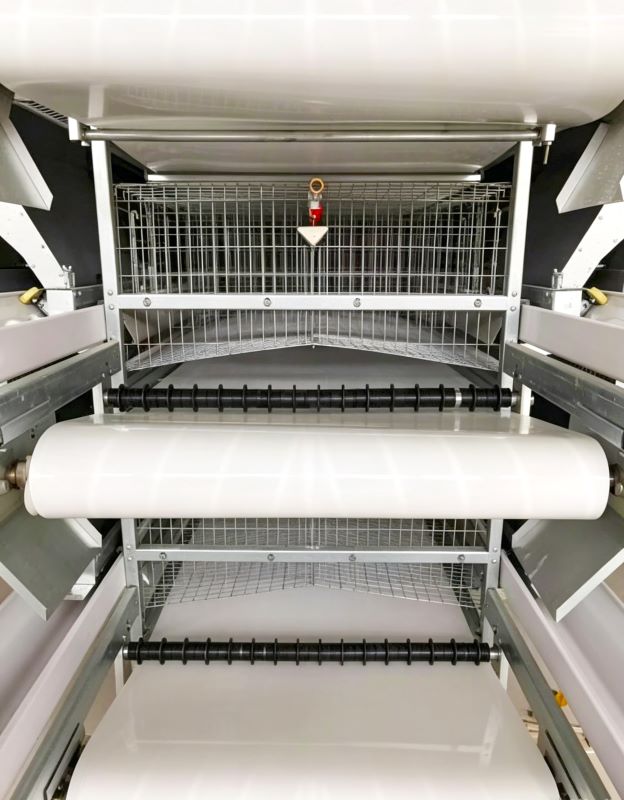
Manure Conveyor Belt Tracking Adjustment – Fix It Yourself Without a Service Call
Belt misalignment (tracking off) is a common issue in floor rearing houses. Most cases are caused by uneven tension, non‑parallel rollers, or uneven load distribution. Follow these three steps to fix it yourself. Step 1: Identify the direction and locationRun the belt empty and observe which side it shifts toward. If the belt runs to…
-
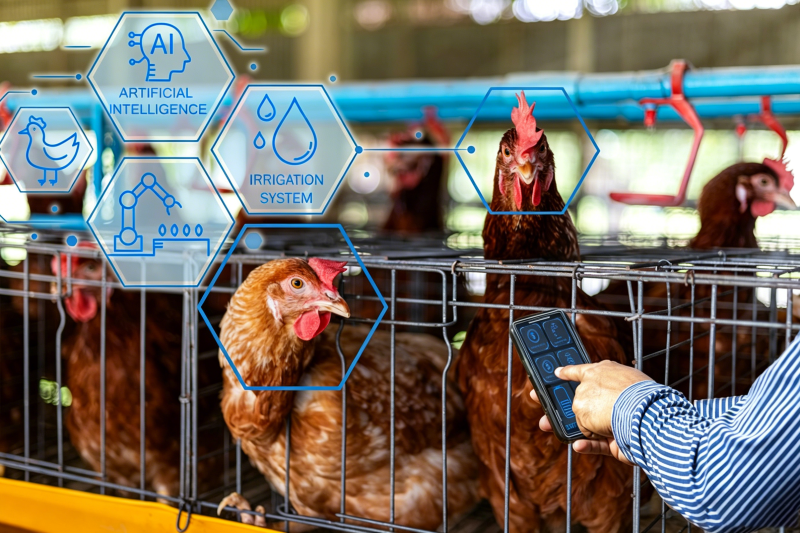
Top 10 Innovation Trends in Poultry Equipment for 2026: From Operational Tools to Strategic Assets
Poultry equipment is no longer just hardware—it is evolving into data-driven decision engines. Here are ten trends shaping the industry. 1. Digital Twins Go OperationalDigital twins move beyond pilot projects. They now simulate flock growth, test ventilation changes, and predict feed conversion before a single bird enters the house. Key shift: from visualization to actionable…
-
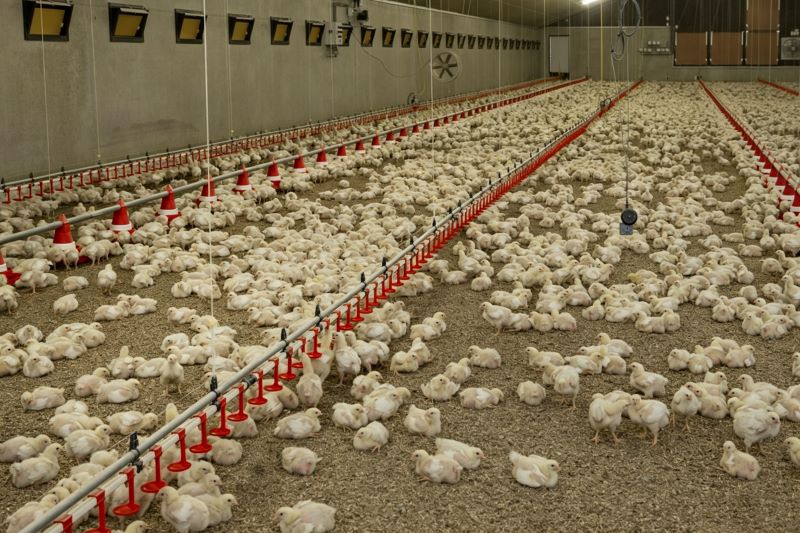
Adjusting Vaccination Programs in Hot Seasons – Timing and Stress Control Strategies Backed by Field Data
High temperatures don’t just affect bird comfort – they also impact vaccine effectiveness. Heat stress elevates corticosterone levels, which can suppress immune responses. Vaccinating during peak heat may add extra stress, reducing antibody production and increasing disease risk. Our field study on 50,000 broilers compared two vaccination schedules: morning (8–10 AM, temperature <26°C) vs. midday…
-
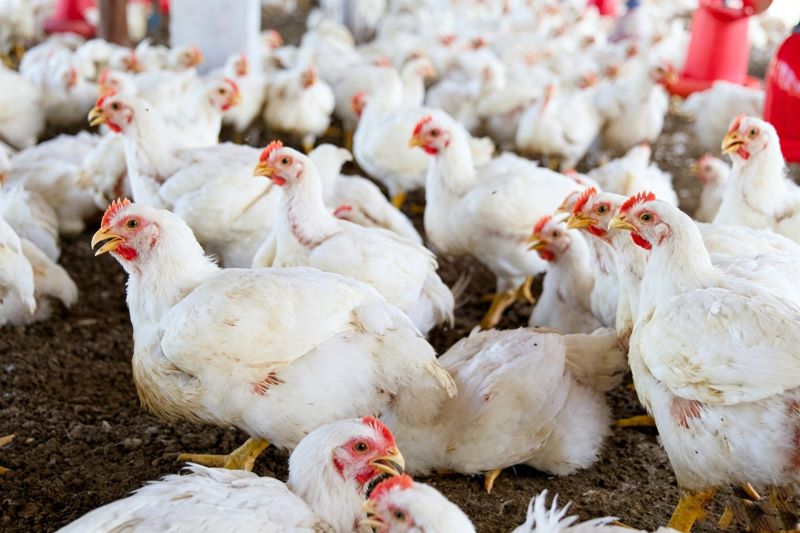
Precision Feeding Delivers 0.05 FCR Improvement – Saves 7.5 Tons of Feed per 10,000 Broilers
What if reducing your feed conversion ratio (FCR) by just 0.05 could save thousands of dollars every year? Our latest field data confirms that automated precision feeding systems consistently achieve this gain – with no extra labor or complex management. Here’s the math for a standard 10,000‑bird house: At today’s feed price of $450/ton, that’s…
Product Categories
Subscribe To Product News
Leave your email address and receive our latest product updates